Slow cooking beef transforms tough cuts into tender, flavorful meals. However, many home cooks struggle with one common problem: overcooking. When beef cooks too long or at too high a temperature, it becomes dry and stringy. Learning the proper techniques helps you achieve perfectly cooked beef every time.
Understanding the Science Behind Slow Cooking
Slow cooking works by breaking down tough connective tissues in beef. These tissues, called collagen, turn into gelatin when heated slowly over time. This process happens best between 160°F and 205°F. Therefore, maintaining consistent low temperatures is essential for success.
The transformation doesn’t happen quickly. Collagen needs several hours to break down properly. Rushing this process with high heat causes the meat fibers to contract rapidly. Additionally, the moisture inside escapes too quickly. The result is tough, dry meat that disappoints even experienced cooks.
Choosing the Right Cut of Beef
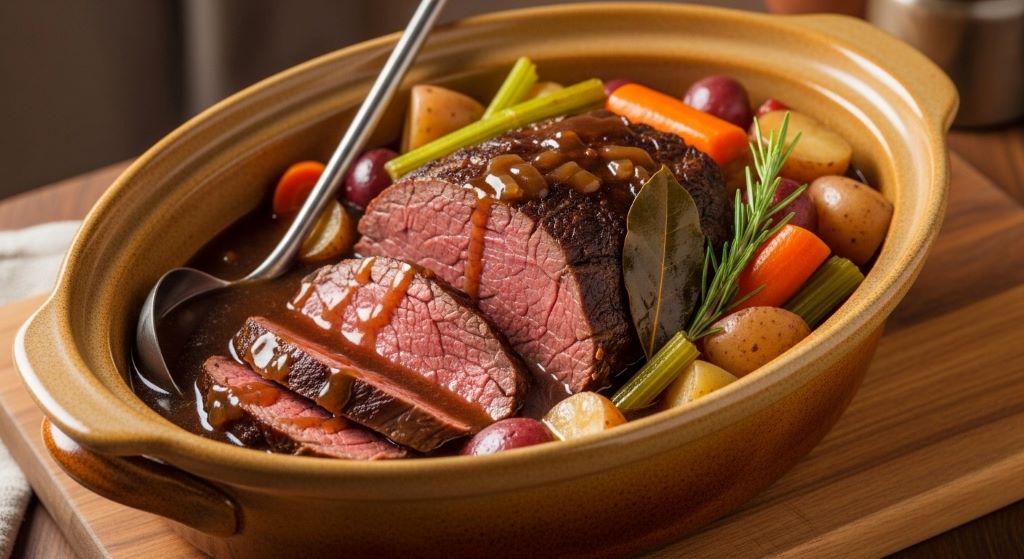
Not all beef cuts work well for slow cooking. Tougher cuts with more connective tissue actually perform better than expensive, lean cuts. Chuck roast, brisket, and short ribs contain plenty of collagen. These cuts become incredibly tender when cooked slowly.
Lean cuts like sirloin or tenderloin don’t benefit from slow cooking. They lack the connective tissue needed to stay moist during long cooking times. Save these cuts for quick, high-heat cooking methods instead.
Temperature Control: The Key to Success
Maintaining proper temperature prevents overcooking more than any other factor. Most slow cookers operate between 190°F and 250°F on the low setting. The high setting reaches 250°F to 300°F. However, different models vary significantly.
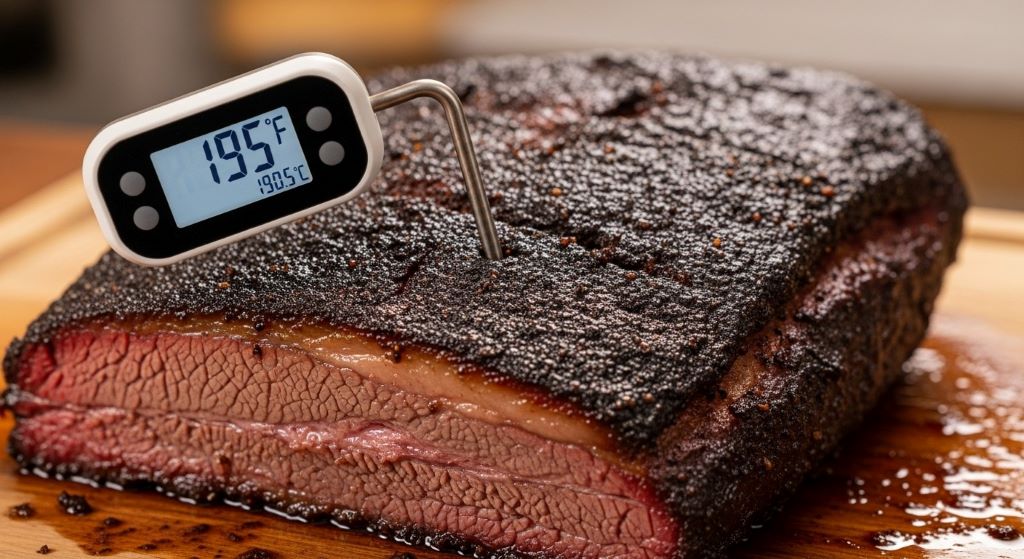
Using a meat thermometer takes the guesswork out of cooking. Insert it into the thickest part of the beef, avoiding bones. For most slow-cooked beef dishes, aim for an internal temperature between 190°F and 205°F. At this range, collagen breaks down completely while the meat stays moist.
Check your slow cooker’s actual temperature occasionally. Fill it with water and run it on low for several hours. Then, use an instant-read thermometer to measure the water temperature. This simple test reveals whether your appliance runs hot or cool.
Timing Guidelines for Different Cuts
Each cut requires different cooking times based on size and fat content. Generally, larger pieces need more time than smaller ones. Chuck roast typically needs six to eight hours on low heat. Brisket often requires eight to ten hours for optimal tenderness.
Short ribs finish in approximately six to seven hours on low. Beef stew meat, cut into smaller pieces, becomes tender in four to six hours. These times serve as starting points. Therefore, always verify doneness with a thermometer rather than relying solely on the clock.
Starting with room-temperature beef helps it cook more evenly. Remove the meat from the refrigerator thirty minutes before cooking. This small step prevents the outside from overcooking while the center catches up.
Liquid Levels Matter
The amount of liquid in your slow cooker affects cooking time and moisture retention. Too much liquid can dilute flavors and extend cooking time. Conversely, too little liquid risks burning or drying out the meat.
A good rule of thumb involves covering one-third to one-half of the beef with liquid. Broth, wine, or even water works well. The liquid creates steam that helps transfer heat evenly throughout the cooker.
Some cuts, like well-marbled brisket, release considerable fat and moisture during cooking. These cuts need less added liquid initially. Leaner cuts benefit from more liquid to prevent drying out.
Avoiding Common Overcooking Mistakes
Opening the lid frequently is one of the biggest mistakes home cooks make. Each time you lift the lid, heat escapes. This extends cooking time and can lead to overcooking as you compensate by leaving it longer.
Resist the temptation to check on your beef constantly. According to Serious Eats, removing the lid can add twenty to thirty minutes to your cooking time. Trust the process and only check near the estimated finish time.
Cutting the beef too small also causes problems. Smaller pieces have more surface area exposed to heat. They cook faster and dry out more easily. Keep pieces larger than two inches for best results.
The Touch Test for Doneness
Beyond using a thermometer, you can assess doneness by touch. Properly slow-cooked beef should be fork-tender. A fork inserted into the meat should slide in easily and pull the meat apart without resistance.
If the meat resists pulling apart, it needs more time. However, if it’s already falling apart but seems dry, you’ve overcooked it. This balance takes practice to recognize. Therefore, checking an hour before your estimated finish time helps you catch the perfect moment.
Resting: The Final Step
Resting beef after slow cooking allows juices to redistribute throughout the meat. Even though slow cooking is forgiving, a brief rest improves texture and moisture. Let the beef sit in the turned-off cooker for ten to fifteen minutes after reaching the target temperature.
This resting period gives you time to prepare side dishes or thicken the cooking liquid into gravy. Additionally, it makes carving easier as the meat firms up slightly.
Adjusting for High Altitude
Altitude affects slow cooking times significantly. At higher elevations, water boils at lower temperatures. This means your slow cooker reaches lower maximum temperatures. Consequently, beef takes longer to become tender.
If you live above 3,000 feet, add approximately thirty minutes for every hour of cooking time. Monitor your beef closely the first few times. You’ll develop a sense of how much extra time your specific location requires.
Rescuing Overcooked Beef
Sometimes beef gets overcooked despite your best efforts. Don’t throw it away immediately. Shredding the meat and mixing it with cooking liquid or barbecue sauce can salvage the meal. The added moisture compensates for dryness.
Use overcooked beef in tacos, sandwiches, or casseroles where sauce and other ingredients mask texture issues. While not ideal, these solutions prevent food waste and still create satisfying meals.
Conclusion
Slow cooking beef successfully requires attention to temperature, timing, and moisture levels. Choose the right cuts with adequate connective tissue. Maintain consistent low temperatures throughout the cooking process. Use a meat thermometer to verify doneness rather than guessing. Keep liquid levels appropriate for your chosen cut. Avoid frequent lid lifting that extends cooking time unnecessarily.
These techniques transform tough cuts into tender, delicious meals without the disappointment of dry, overcooked beef. With practice, you’ll develop an intuition for perfect slow-cooked beef every time. Start with these guidelines, adjust for your specific equipment and preferences, and enjoy consistently excellent results.
Frequently Asked Questions
Can you overcook beef in a slow cooker?
Yes, you absolutely can overcook beef in a slow cooker. When beef cooks too long, even at low temperatures, the muscle fibers break down excessively. This causes the meat to become dry, stringy, and unpleasant. Most cuts reach optimal tenderness between six and ten hours on low heat.
What temperature should slow-cooked beef reach?
Slow-cooked beef should reach an internal temperature between 190°F and 205°F for optimal tenderness. At these temperatures, collagen breaks down into gelatin while the meat retains moisture. Use an instant-read meat thermometer inserted into the thickest part to check accurately.
Should I brown beef before slow cooking?
Browning beef before slow cooking is optional but recommended. Searing creates flavorful compounds through the Maillard reaction. This adds depth to your final dish. However, if you’re short on time, you can skip this step. The beef will still cook properly, though with slightly less complex flavor.
How much liquid should I add to slow-cooked beef?
Add enough liquid to cover one-third to one-half of the beef. This provides sufficient moisture and steam for even cooking without diluting flavors. Fattier cuts like brisket need less liquid because they release their own fat and juices during cooking.
Can I slow cook beef on high instead of low?
You can cook beef on the high setting, but it requires less time and more careful monitoring. High heat doubles the cooking speed approximately. However, low heat provides more forgiving, even cooking with less risk of overcooking. For best results, especially for beginners, stick with the low setting.
Related Topics: