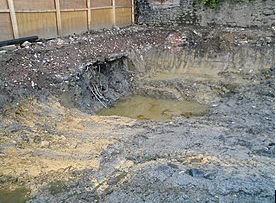
Groundwater remediation techniques are used to reverse the effects of groundwater contamination. For contaminated groundwater, it is necessary to follow a number of stages to return the groundwater to a safe and acceptable condition.
Site Assessment
Engineers conduct hydrogeological investigations by drilling a number of boreholes on site. Soil and groundwater samples are then analysed in a laboratory to determine the type of contaminants present and the relevant concentrations.
Choosing a Treatment Method
There are a number of methods for groundwater remediation. The most common is pump-and-treat where contaminated groundwater is extracted from the ground and then treated at the surface. A Permeable Reactive Barrier (PRB) is a trench filled with a filling of iron filings or other reactive material. As contaminated groundwater percolates through the filling, the contaminant is broken down. In-situ biological treatment, such as bioremediation, involves the introduction of microbes or nutrients to the contaminated groundwater at the site. A useful reference for Groundwater Remediation is //soilfix.co.uk/services/groundwater-remediation/.
Active Remediation
The chosen remediation method is installed and operated for a period of time, typically months or years, depending on the degree and depth of contamination to the groundwater.
Monitoring and Verification
By collecting regular water samples from the site monitoring boreholes, the remediation system can be checked to ensure the concentration of pollutants is dropping in line with expected rates set within groundwater protection standards.
Regulatory Sign-Off
Once results have confirmed that acceptable levels of contamination have been achieved the Environment Agency or Local Authority will close the groundwater site.
Understanding the process helps you know the right questions to ask and helps you plan your work in the best way.