Key Takeaways
- Native plants require minimal maintenance once established, saving time, money, and resources.
- They attract pollinators, birds, and beneficial insects by providing natural food sources and shelter.
- Native gardening reduces the need for artificial fertilizers and excess watering.
- Anyone can make a meaningful impact, even with limited gardening space.
Native plant gardening is one of the most accessible and impactful ways you can help revitalize your local ecosystem and support biodiversity. By choosing to plant native species in your yard, you provide food and shelter for wildlife and help to restore the natural balance. If you are searching for the right resources and plants, a garden center specializing in native varieties can help you get started on a sustainable gardening journey.
Native plant gardens require less maintenance, use fewer resources, and contribute to a thriving network of plants, animals, and insects that are already adapted to your area. Simple choices such as swapping out non-native ornamental plants for local species or designing a miniature pollinator patch can make a remarkable difference right outside your door.
Even small outdoor spaces, balconies, or urban rooftops can be transformed into vibrant habitats by focusing on native flora. Whether you are an experienced gardener or just starting to dig in the dirt, connecting with a certified local garden center is a practical first step to gaining knowledge about the species best suited to your conditions.
Understanding Native Plants
Native plants are those that have evolved in a particular region over thousands of years, making them well adapted to local soil, climate, and natural cycles. Unlike non-native species, which often require more interventions to survive, native plants play a vital role in supporting local wildlife, such as pollinators, songbirds, and beneficial insects. Learning about the unique species in your region lays the foundation for building an ecologically sound garden. Resources like the National Wildlife Federation provide guides on selecting the best native plants for your area.
Benefits of Native Plant Gardening
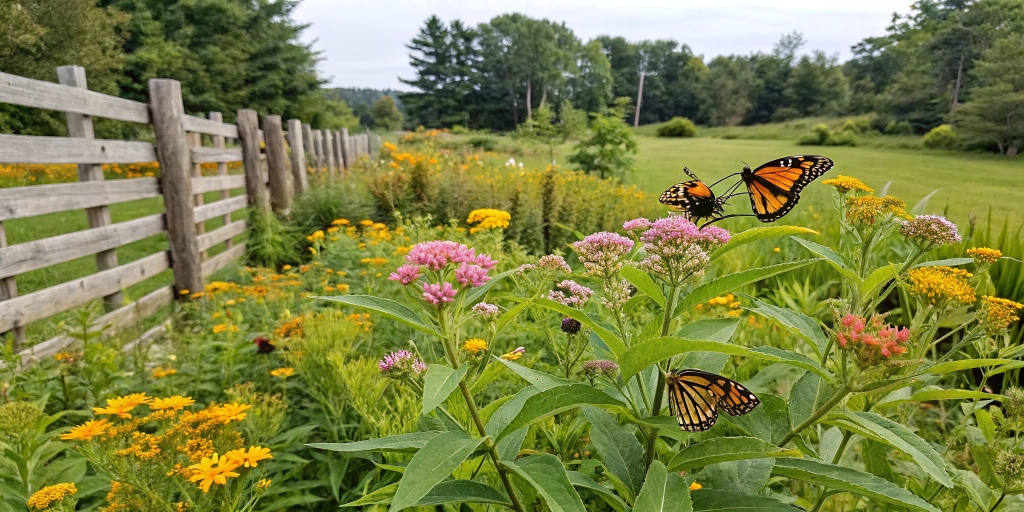
There are numerous significant advantages to incorporating native plants into your landscaping plans. Native species naturally require less water because they are accustomed to local rainfall patterns. This results in lower irrigation needs, especially during dry periods. Native plants improve soil health, help prevent erosion through deep root systems, and minimize the need for chemical fertilizers or pesticides. Additionally, native gardens enrich habitat diversity, overflowing with blooms and fruit that provide year-round support for butterflies, bees, birds, and mammals.
- Water Efficiency: Less supplemental irrigation is needed since native plants thrive on rainfall.
- Support for Wildlife: Native plants offer essential nectar, pollen, seeds, and shelter to resident and migratory creatures.
- Soil Health: Their roots increase soil permeability and structure, reducing runoff and erosion.
- Chemical Reduction: Minimal fertilizer and pesticides are necessary, protecting beneficial species.
Getting Started with Native Plant Gardening
To launch a native plant garden, start with simple groundwork. First, research which species are indigenous to your region. Many garden centers and local extension agencies offer lists of appropriate plants. Survey the sunlight exposure, soil texture, and drainage throughout your yard or chosen planting area. With this information, select a combination of plants that will fill vertical and horizontal space throughout the seasons. A thoughtfully designed plan might consider multi-layered beds or even a corner pollinator patch to maximize habitat creation.
- Research Native Species: Use online guides and visit botanical gardens to identify plants that will flourish naturally in your landscape.
- Assess Conditions: Document your space’s sunlight, exposure, and soil characteristics.
- Design Your Layout: Group plants with similar needs and plan for future growth to ensure harmony and ease of maintenance.
Designing Your Native Plant Garden
A successful native plant garden balances aesthetics and function. By layering plants of different heights (ground cover, shrubs, trees), you mimic natural habitats and create microclimates for a broader range of wildlife. Choose species with staggered blooming periods to keep your garden colorful and supportive year-round. Plant in groupings rather than single individuals, as this approach aids pollinators in finding resources efficiently and better simulates nature’s patterns.
- Layering: Combine perennials, shrubs, and trees for vertical diversity.
- Seasonal Interest: Select species that flower and fruit at various times.
- Group Plantings: Plant in clusters for greater ecological impact and visual appeal.
Maintaining Your Native Plant Garden
While native gardens generally require less ongoing work, a few maintenance tasks ensure their ongoing health. Periodically remove non-native invasive weeds that can crowd out beneficial species. Apply mulch to maintain moisture and suppress unwanted growth. Regularly inspect your plants for signs of disease or stress, intervening only when necessary and favoring natural remedies.
- Weed Carefully: Focus on non-native invaders while letting native ground covers spread.
- Mulch Mindfully: Use organic mulch to retain moisture and improve soil over time.
- Monitor Health: Keep an eye on garden conditions and adjust as needed.
Engaging the Community
Native plant gardening is a movement that grows stronger through shared knowledge. Consider inviting neighbors to educational workshops or partnering with local organizations for community greening projects. Showcasing your garden online or through local tours inspires others to embrace native landscaping, multiplying positive effects on the ecosystem.
- Host Workshops: Share techniques and successes with others in your area.
- Collaborate on Community Projects: Help create native plant beds in public spaces.
- Share Online: Document progress and tips using social media or local gardening groups.
Overcoming Challenges
Transitioning from traditional garden styles to native plant landscapes can present obstacles. Sourcing specific native species is sometimes difficult, but committed nurseries and regional plant sales provide excellent options. Although initial investments may be higher, long-term costs for water and chemicals decrease over the years. If neighbors have concerns or misunderstand native garden aesthetics, provide educational resources and highlight the environmental benefits for community support.
- Find the Right Plants: Seek trusted sources and native plant organizations for quality options.
- Manage Costs: Remember the initial costs will likely pay off over time in reduced input needs.
- Educate Others: Foster support by sharing research and demonstrating results.
Conclusion
Native plant gardening is both a personal and civic contribution to ecological health. Each garden, no matter the size, serves as a vital link in restoring habitat, conserving natural resources, and promoting biodiversity. By choosing to plant native species and sharing these practices with others, you are helping to secure a healthier environment for generations to come.