Key Takeaways
- Identify the most common plumbing issues homeowners typically encounter.
- Discover advanced and safer solutions that surpass outdated methods.
- Learn when DIY fixes are feasible and when professional assistance is necessary.
- Prevent costly repairs by adopting proactive plumbing maintenance tips.
From leaking faucets to full-scale sewer backups, plumbing troubles can disrupt daily life and drain your wallet if left untreated. Thanks to advancements in both technology and technique, resolving these issues is more manageable than ever before. If you’re facing any of these problems or want to prevent them, connecting with a qualified plumber can save you time, money, and stress.
Today’s homeowners benefit from faster diagnostics, longer-lasting repairs, and less invasive solutions—a significant upgrade from the days of pipe wrenches and chemical-heavy quick fixes. Knowing what causes common plumbing problems and understanding your solution options helps maintain your property’s value and keeps crucial systems running smoothly.
When more than one issue emerges, or if you want to invest in total system care, a wide range of plumbing services can efficiently address multiple concerns in a single visit. This proactive approach minimizes the risk of emergencies and extends the life of your plumbing infrastructure.
Leaky Faucets
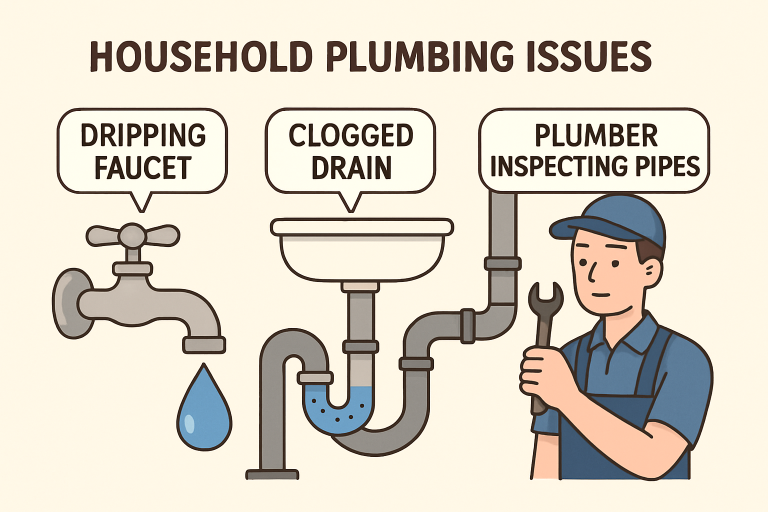
A steady drip from a faucet is one of the most common and wasteful household plumbing issues. According to the Environmental Protection Agency, household leaks can waste nearly 10,000 gallons of water per year, with much of this waste attributed to faulty faucets. Typically, worn-out washers or O-rings create gaps that allow water to seep through. Replacing these inexpensive components can eliminate the problem, but if leaks persist or reappear, it may signal deeper mechanical issues—making professional diagnosis essential.
Clogged Drains
Clogged drains are a persistent nuisance, often caused by a gradual build-up of hair, grease, or foreign debris in bathroom and kitchen pipes. While chemical drain cleaners are widely marketed, they can erode pipes and cause environmental harm. Mechanical solutions such as plungers, drain snakes, or air-burst cleaners are safer and more effective. For severe clogs, hydro jetting—a high-pressure water method—can clear pipes without the need for dismantling.
Running Toilets
Toilets that never stop running are more than a mere annoyance; they can waste hundreds of gallons of water daily. The primary culprits are usually a worn-out flapper valve, a misaligned float, or an aging fill valve. Fortunately, most of these parts are easy and inexpensive to replace. For recurring issues, upgrading to a modern, water-efficient toilet can deliver lasting benefits for both your water bill and the environment.
Low Water Pressure
Mineral deposits can cause sudden or sustained drops in water pressure in aerators, hidden pipe leaks, partially closed valves, or even municipal supply issues. To isolate the source, start by checking all fixtures and inspecting visible pipes for moisture or corrosion. Sediment in valves or aerators can often be cleaned out at home, but hidden leaks or widespread pressure loss may require a professional inspection to prevent further structural damage.
Water Heater Issues
Water heaters can suffer from inconsistent heating, leaks, or loud rumbling noises. These problems often stem from sediment buildup at the tank’s bottom, corroded parts, or malfunctioning heating elements. Modern water heaters are designed for self-flushing and usually include convenient drain valves and built-in diagnostics. Scheduling annual flushes and replacing worn parts promptly can extend the appliance’s life significantly and improve both efficiency and safety.
Pipe Leaks
Whether caused by aging pipes, corrosion, freezing, or excessive pressure, leaks must be addressed early to avoid water damage and mold growth. New technologies, such as smart leak detectors and moisture sensors, can alert homeowners to problems before they escalate out of control. For repairs, solutions range from traditional soldering to innovative pipe sleeves and trenchless replacements, which offer durability and minimize property disruption.
Garbage Disposal Jams
Garbage disposal jams usually result from improper items such as bones, grease, coffee grounds, or fibrous vegetable peels. Most newer units have built-in overload protection and reset buttons for quick recovery. If a jam persists, always disconnect the power source before attempting manual intervention. Routine cleaning, using cold water, and grinding ice can also prolong disposal life and reduce odors. For maintenance guidelines and safety, review expert advice from Consumer Reports.
Sewer Line Backups
One of the most serious plumbing emergencies is a sewer line backup, which can cause hazardous waste to flow back into your home’s drains. The leading causes include tree root invasion, aging or damaged pipes, and heavy blockages from inappropriate items. Video camera inspections enable plumbers to locate and diagnose problems quickly. Modern trenchless repair methods, such as pipe lining or bursting, can restore flow and minimize landscape damage compared to traditional excavation.
Staying informed about common plumbing problems and their modern solutions empowers you to act decisively, prevent escalation, and keep your home’s plumbing system running optimally. Always prioritize early intervention and regular maintenance for the most incredible peace of mind.