
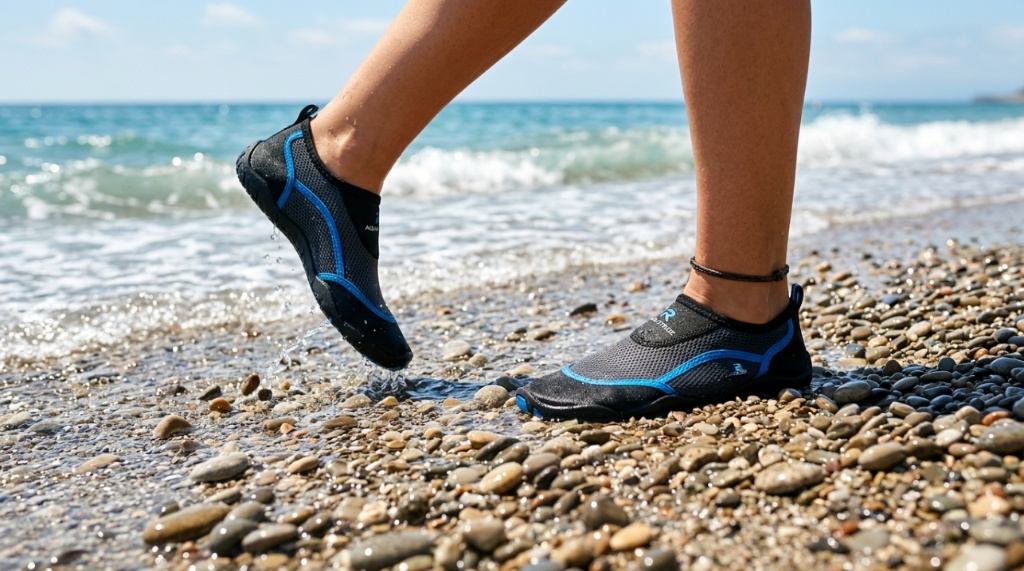
You are standing in the surf, the sand burning your feet, but you hesitate. You know you need protection, but you don’t want to waste money on flimsy socks that shred after one swim or overpriced brand names that offer the same basic rubber sole.
The real problem is finding a pair that feels like a second skin, grips wet rocks without slipping, and doesn’t drain your wallet. If you are searching for truly comfortable water socks affordable diving water socks, you need to cut through the marketing hype and focus on three things: material density, sole construction, and fit retention. This guide will show you exactly how to score high-performance footwear without paying luxury prices.
What Makes a Water Sock Comfortable for All-Day Wear?
A comfortable water sock feels like a snug second skin, not a restrictive squeeze. The secret lies in the neoprene thickness and the seam construction. For general beach use, a 1.5mm to 2mm neoprene sock offers the best balance of warmth, flexibility, and protection. Thicker than 3mm causes foot fatigue; thinner than 1mm offers no padding against sharp shells. Flatlock seams are non-negotiable—they prevent blisters by lying flush against your skin rather than rubbing. Look for socks with a smooth skin interior if you plan to wear them barefoot, as this material slides on easily and dries quickly. Avoid any sock that uses glued seams, as these will crack and become uncomfortable after a few washes.
Key Comfort Features to Verify Before Buying
- Padding zones: Socks with extra neoprene on the heel and toe area absorb impact on rocky terrain.
- Elastic ankle cuff: Prevents sand and debris from entering, keeping your foot comfortable for hours.
- Anti-slip printed sole: Silicone or rubber dots on the bottom stop your foot from sliding inside a fin or boot.
Why Are Some Water Socks So Expensive While Others Are Cheap?
Price differences come down to material quality, brand markup, and manufacturing location. Cheap water socks under $10 often use thin, non-reinforced neoprene that tears easily and has a glued sole that separates after a few uses. Mid-range socks from $15 to $30 typically feature bonded seams, denser neoprene with better thermal resistance, and a vulcanized rubber sole that lasts multiple seasons. High-end socks over $40 add marketing costs for surf brand logos and sometimes use titanium-infused neoprene for warmth—rarely necessary for casual swimming or snorkeling. The sweet spot is the $15 to $25 range, where you get durable neoprene and welded seams without paying for brand prestige. Always check return policies and warranty terms before buying cheap generic socks.
How to Judge Water Sock Quality Before You Buy
You can assess water sock quality in under a minute using three simple tests. First, bend the sock back and forth; quality neoprene flexes easily without leaving a white crease, indicating the rubber hasn’t dried out. Second, run your fingernail across the sole; a good sole has a rugged texture you can feel, not a smooth surface that will slip on wet boat decks. Third, pull gently on the ankle cuff seam; if you see any light through the stitching, the sock is poorly constructed and will rip. Reputable manufacturers also provide a clear thickness rating (like 2mm or 3mm) on the label—if the packaging only says “neoprene” without a thickness number, the material is probably thin and low quality. Trust sock makers that specialize in diving or water sports rather than generic outdoor gear brands.
Quick Quality Checklist Before Checkout
- Is the neoprene thickness clearly stated? (2mm is standard)
- Are the seams flatlock or taped? (Flatlock wins)
- Does the sole have a textured rubber grip? (Yes is good)
- Is the ankle cuff reinforced? (Yes adds durability)
Which Features Matter Most for Diving vs. Beach Walking?
The primary difference between diving water socks and beach walking socks is sole thickness and thermal protection. For diving or snorkeling in water below 72°F, choose a 3mm sock to retain heat and protect against sharp coral. For warm-water beach walking or pool workouts, a 1.5mm to 2mm sock is sufficient. Diving socks also benefit from a higher ankle cut—around 6 to 8 inches tall—to seal out cold water and fit easily under a dive bootie fin. Beach walking socks can be shorter, around 4 inches, for easy on-off and sand management. If you plan to wear the socks alone on rocky shorelines (without fins), pick a sock with a thick, hard-wearing rubber sole that extends slightly up the sides for arch protection.
Can You Wear Water Socks for Activities Other Than Swimming?
Absolutely, and this versatility is exactly why affordable water socks are a smart investment. They work exceptionally well for stand-up paddleboarding by giving you grip on the board and protection from fin cuts. Kayakers use them to keep feet warm and dry inside the hull. Many hikers use thin water socks as a moisture-wicking liner for waterproof boots on wet trails. You can even wear them for yoga on the beach—the grippy sole prevents slipping on sand and sweat. Just rinse them with fresh water after any salty or sandy use to extend the lifespan. The only activity where they fall short is heavy construction work or walking on broken glass—for that, get dedicated water shoes with hard rubber soles.
When Should You Replace Your Water Socks?
Most water socks last between 6 months and 2 years depending on frequency of use, but you should replace them as soon as you notice any of these warning signs: The neoprene feels thin or papery when stretched, the sole shows visible wear or smooth patches where tread once was, or the seams start to fray or separate. A compromised sole means zero protection against a hidden sharp shell—a trip to urgent care costs far more than a new pair of socks. Another reliable test is the water test: fill your socks with fresh water and squeeze gently. If water streams out through the seams, the sock is no longer waterproof and will hold sand and debris against your skin. For heavy users (more than 3 times per week), plan on replacing socks every 6 to 9 months.
Signs It’s Time for a New Pair
- Sole tread has worn completely smooth in the heel or toe
- Seams show fraying or open gaps
- Neoprene feels stretched out and baggy
- Water pours through the fabric when you squeeze it
- Persistent smell that won’t wash out (bacteria build-up)
How to Extend the Life of Your Water Socks
Proper care triples the lifespan of affordable water socks. After every use, rinse them thoroughly with fresh water while gently squeezing the fabric to remove sand and salt. Do not use hot water—heat degrades neoprene foam structure. Lay them flat to dry in the shade, never direct sunlight, which breaks down the rubber. Avoid machine washing or drying; the agitation damages seams and compresses the neoprene permanently. If your socks get smelly, soak them for 30 minutes in a mix of cool water and a capful of white vinegar, then rinse well. Store them flat or loosely rolled—don’t fold them tight, as creases can crack the rubber over time. Never leave wet socks in a gym bag or car trunk for more than a few hours; mold develops quickly and can’t be fully removed.
Which Size Should You Buy: Snug or Loose?
Buy water socks that fit snugly but not painfully tight. Neoprene stretches slightly when wet, so a sock that feels barely snug when dry will fit perfectly in the water. If your toes bump the end of the sock or you lose circulation around the ankle, go up a half size. A loose fit is dangerous—your foot will slide inside the sock, causing blisters, and you will lose grip inside fins. Most brands provide a size chart correlating to shoe size, but check reviews because many manufacturers run small. When trying socks on, wear them with the thin socks you plan to use (if any) and do a walking test: your heel should not lift inside the sock, and your toes should have a millimeter or two of room in front. Children’s socks should be replaced every season as feet grow rapidly.
Investing in a solid pair of water shoes doesn’t just protect your feet during summer adventures—it’s also a highly versatile piece of gear. If you are looking for more unique ideas for travelers or outdoor enthusiasts, consider choosing a practical, interesting gift for anytime of the year that they will actually use on their next trip.
How to Find the Best Deals on Quality Water Socks
Avoid paying full retail price by shopping at the right times and places. End-of-summer clearance sales (August through September) are the best time to score deals because retailers discount water gear heavily to free up inventory. Check retailers specializing in diving or surf equipment rather than general sporting goods stores—they often have better quality socks at competitive prices. Another smart strategy is to buy two-packs from brands that sell multipacks; you get a backup pair for rotating and the per-sock price drops significantly. Compare prices across major online platforms, but always factor in shipping costs and restocking fees. For the absolute best balance of price and performance, look for socks that use the same materials as premium brands (like 80% neoprene, 20% spandex, and a rubber blend sole) but without the branding markup. Customer reviews with images showing the sock’s construction after 6 months are your most trustworthy guide.
Are Cheap Water Socks Worth the Risk?
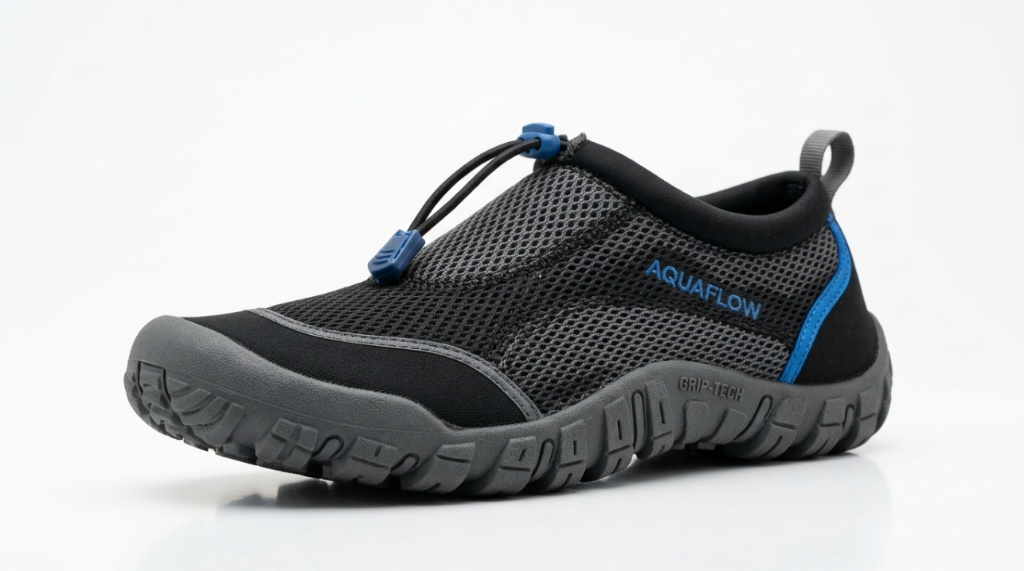
Ultra-cheap water socks under $8 typically aren’t worth the risk for active use. The neoprene is often a thin foam that soaks up water, making your feet heavy and cold. The soles are usually smooth plastic that provides no grip on wet surfaces. And the seams frequently rip the first time you pull them on over wet feet. However, if you need socks for very light use—such as a single day at a sandy, smooth-bottomed lake—a budget pair might suffice. For any activity involving rocks, coral, boat decks, or fins, invest at least $15 to $20. The difference in safety, comfort, and durability is enormous. Think of them as insurance for your feet: good socks prevent foot cuts, infection, and lost vacation time due to injuries.
Price vs. Durability Comparison
| Price Range | Typical Lifespan | Best For | Risk Level |
|---|---|---|---|
| Under $8 | 1–3 uses | One-time pool party | High |
| $8–$15 | 3–6 months | Light beach walking | Medium |
| $15–$25 | 6–18 months | Diving, surfing, hiking | Low |
| $25+ | 18–24 months | Cold water diving | Very low |
Frequently Asked Questions
Can I wear water socks instead of water shoes?
Yes, for most beach, pool, and light rocky surfaces, water socks provide adequate protection. However, for very sharp rocks, broken glass, or heavy hiking, water shoes with hard rubber soles are safer. Water socks are best for swimming, snorkeling, and casual walking on sand or small pebbles.
How tight should my water socks be?
Snug but not painful. Your toes should not be cramped, and your heel should not lift when you walk. When wet, neoprene relaxes slightly, so a snug dry fit becomes a perfect wet fit. If you have circulation marks on your ankles after removing them, they are too tight.
Do water socks prevent blisters?
Yes, high-quality water socks with flatlock seams and smooth neoprene interiors prevent blisters by reducing friction. Avoid socks with rough internal tags or glued seams—these are common blister culprits. Rinse socks thoroughly after use to remove sand that can cause irritation.
Can I machine wash my water socks?
No, machine washing damages the neoprene foam and seam bonds. Always hand wash with cool water and mild soap. Roll socks in a towel to remove excess water, then air dry flat away from direct heat or sunlight. Machine drying ruins neoprene permanently.
Are water socks good for cold water?
For water temperatures above 60°F, 2mm to 3mm water socks provide good thermal protection. For colder water (below 60°F), use dedicated dive booties with 5mm or thicker neoprene. Water socks are not designed for extended exposure in freezing conditions.
How do I stop my water socks from smelling?
Always rinse with fresh water and dry completely before storing. A weekly soak in a solution of one part white vinegar to four parts water kills odor-causing bacteria. Never store damp socks in a sealed container or bag. Rotating between two pairs also helps them fully dry.
Can kids wear the same water socks as adults?
Yes, most brands offer children’s sizes that follow standard youth shoe sizing. Kids’ water socks should fit snugly without pinching, and parents should replace them every season because children’s feet grow quickly. Look for fun colors and patterns that make kids excited to wear them.
Conclusion
Buying comfortable water socks without overspending is entirely achievable if you know what to look for. Focus on flatlock seams, a clear neoprene thickness rating between 1.5mm and 3mm depending on your activity, and a textured rubber sole that won’t slip. Avoid the false economy of ultra-cheap socks that rip after a single use and ignore the marketing hype of overpriced brands that offer the same materials for triple the price. The sweet spot is a $15 to $25 sock with good reviews proving its durability. Rinse them after every use, store them flat in the shade, and they will protect your feet for a full year or more. Do not wait until a cut on a sharp rock ruins your beach day. Buy a reliable pair of affordable water socks now and enjoy the water with complete confidence.