
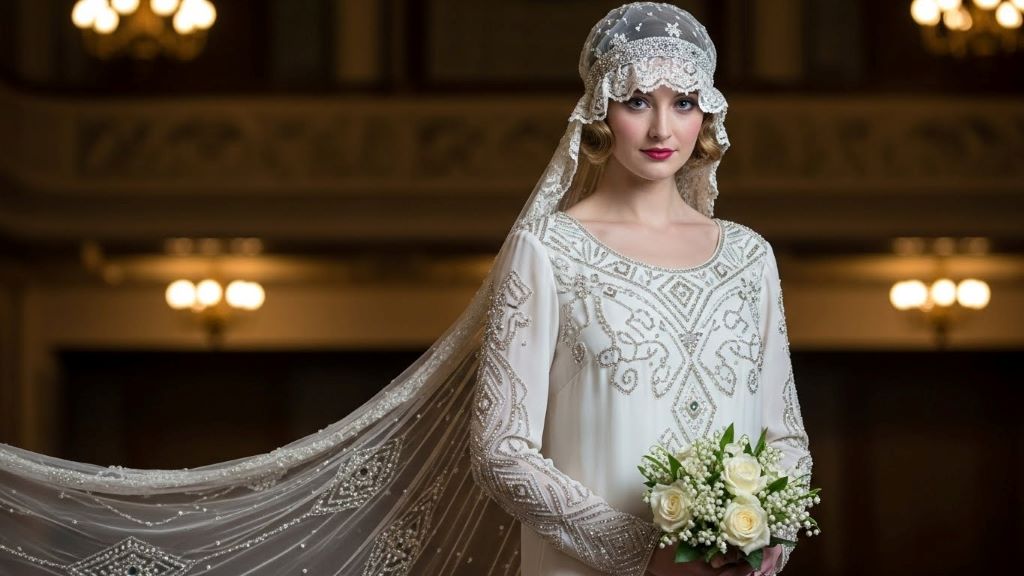
The drop waist wedding dress represents one of the most distinctive silhouettes in bridal fashion history. This unique design features a waistline that sits below the natural waist, creating an elongated torso and a relaxed, romantic aesthetic. Understanding how this iconic style evolved helps modern brides appreciate its timeless appeal and decide if it suits their wedding vision.
The Origins of Drop Waist Design
The drop waist silhouette first gained prominence during the 1920s flapper era. This revolutionary period in fashion history marked a significant departure from the restrictive corsets and structured gowns of previous decades. Women embraced looser, more comfortable clothing that allowed greater freedom of movement.
During this time, designers began experimenting with lowered waistlines that sat at the hip rather than the natural waist. This shift reflected the broader cultural changes of the Jazz Age, when women sought independence and modernity in every aspect of their lives. The drop waist became a symbol of liberation and progressive thinking.
Bridal fashion quickly adopted this trend. Brides of the 1920s wore straight, columnar gowns with dropped waists adorned with beading, fringe, and art deco embellishments. These dresses represented a dramatic break from the heavily corseted Victorian wedding gowns that preceded them.
Mid-Century Interpretations
After the Great Depression and World War II, wedding dress styles shifted toward more traditional silhouettes. However, the drop waist never completely disappeared from bridal design. Throughout the 1950s and 1960s, designers occasionally revisited this distinctive waistline, though it remained less popular than fitted bodices with full skirts.
The 1970s brought renewed interest in vintage-inspired fashion. Brides began looking backward for inspiration, rediscovering the charm of 1920s style. This decade saw a modest revival of drop waist wedding dresses, often incorporating bohemian elements like flowing sleeves and natural fabrics.
Additionally, the punk and new wave movements of the late 1970s and early 1980s influenced bridal fashion in unexpected ways. Some avant-garde designers experimented with deconstructed drop waist silhouettes that challenged conventional wedding dress expectations.
The 1990s Renaissance
The drop waist wedding dress experienced a significant resurgence during the 1990s. This revival coincided with broader fashion trends that embraced minimalism and clean lines. Designers like Vera Wang revolutionized bridal fashion during this period, introducing modern interpretations of classic silhouettes.
The 1990s drop waist bridal gowns often featured simpler designs than their 1920s predecessors. Sleek satin, minimal embellishment, and architectural seaming characterized this era’s approach. These dresses appealed to brides seeking sophisticated elegance without excessive ornamentation.
Furthermore, this decade’s drop waist designs often incorporated elements from multiple eras. Designers mixed Victorian-inspired sleeves with 1920s-style waistlines, creating hybrid looks that felt both nostalgic and contemporary.
Contemporary Drop Waist Wedding Dresses
Today’s drop waist wedding dresses reflect an extraordinary diversity of styles and interpretations. Modern designers have reimagined this classic silhouette for twenty-first century brides, incorporating innovative fabrics, construction techniques, and decorative elements.
Contemporary versions range from romantic and ethereal to sleek and modern. Some feature delicate lace overlays and flowing skirts that evoke vintage romance. Others showcase structured bodices with geometric seaming and minimalist aesthetics.
The versatility of the drop waist design makes it suitable for various wedding themes and venues. Beach weddings benefit from the relaxed, flowing nature of this silhouette. Meanwhile, formal ballroom celebrations can accommodate more structured, embellished versions.
Key Design Elements That Define the Style
Several distinctive features characterize drop waist wedding dresses across different eras. The defining element remains the lowered waistline, which typically sits anywhere from just below the natural waist to the hip level. This placement creates a longer torso and can visually alter body proportions.
The bodice treatment varies considerably between designs. Some feature fitted bodices that hug the body before releasing into the dropped waist. Others incorporate looser, more relaxed bodice construction that maintains the silhouette’s flowing nature throughout.
Skirt fullness represents another variable element. Traditional 1920s styles featured straighter, more columnar skirts. However, modern interpretations often pair drop waists with fuller skirts, creating an interesting juxtaposition between the lowered waistline and voluminous fabric below.
Embellishment placement becomes crucial in drop waist designs. Decorative elements often concentrate around the dropped waistline itself, drawing attention to this distinctive feature. Beading, embroidery, or fabric manipulation at this focal point enhances the overall design impact.

Body Types and Drop Waist Considerations
Understanding how drop waist designs interact with different body types helps brides make informed decisions. This silhouette naturally elongates the torso, which can be flattering for petite brides seeking to create the illusion of height. However, styling considerations remain important for all body types.
Brides with shorter torsos should approach drop waist designs carefully. Lowering the waistline too dramatically can overwhelm smaller frames. Therefore, working with an experienced bridal consultant helps determine the most flattering drop waist placement for individual proportions.
Taller brides often find drop waist silhouettes particularly well-suited to their frames. The elongated torso created by this design complements longer body lines naturally. Additionally, taller women can experiment with more dramatic waistline placements without losing proportion.
Curvier brides can absolutely wear drop waist wedding dresses successfully. The key lies in selecting designs with appropriate structure and support. Well-constructed bodices provide necessary support while the dropped waist creates a relaxed, romantic flow that celebrates feminine curves.
Styling Drop Waist Wedding Dresses
Accessorizing drop waist wedding dresses requires thoughtful consideration of the era and overall aesthetic. Vintage-inspired drop waist gowns pair beautifully with art deco jewelry, birdcage veils, and period-appropriate hairstyles. These elements create cohesive looks that transport guests to another time.
Modern interpretations offer greater flexibility in accessorizing. Contemporary drop waist dresses work well with minimalist jewelry, sleek updos, or flowing bohemian waves. The simpler the dress design, the more freedom brides have in choosing complementary accessories.
Footwear selection impacts the overall silhouette significantly. Since drop waist dresses already create a lowered focal point, shoe choices can either extend or interrupt the vertical line. Nude or metallic shoes that blend with skin tone help maintain the elongated effect.
Veils and headpieces should complement rather than compete with the drop waist silhouette. Cathedral-length veils create dramatic impact while maintaining balance with the lowered waistline. Alternatively, shorter veils or delicate headbands allow the dress silhouette to remain the primary focus.
Fabric Choices Across Eras
Fabric selection has evolved significantly throughout the drop waist wedding dress history. Early twentieth century designs primarily utilized silk charmeuse, crepe, and delicate laces that draped beautifully and moved gracefully with the body.
The 1990s revival embraced heavier satins and structured fabrics that created more defined silhouettes. These materials supported the architectural approach to drop waist design that characterized the decade.
Currently, designers work with an unprecedented range of fabrics. Lightweight tulles create ethereal, romantic effects. Structured mikados provide modern sophistication. Delicate chiffons offer flowing movement perfect for destination weddings.
Lace remains perpetually popular across all eras of drop waist design. However, the application methods have evolved considerably. Vintage-inspired dresses often feature allover lace, while contemporary designs might incorporate strategic lace panels or appliqués that enhance the dropped waistline.
The Future of Drop Waist Bridal Design
The drop waist wedding dress continues evolving as designers push creative boundaries. Sustainability considerations increasingly influence fabric choices and construction methods. Modern brides seeking vintage aesthetics appreciate that drop waist designs naturally lend themselves to using reclaimed or repurposed materials.
Technology also impacts how these classic silhouettes are created. Advanced pattern-making software allows designers to achieve precise fit and proportion. Three-dimensional printing opens possibilities for unique embellishments and structural elements previously impossible to produce.
Furthermore, customization options have expanded dramatically. Brides can now work with designers to create personalized drop waist gowns that incorporate meaningful details while maintaining the silhouette’s essential character. This individualization ensures the style remains relevant for contemporary weddings.
Conclusion
The drop waist wedding dress has journeyed through nearly a century of fashion evolution, adapting to changing tastes while maintaining its distinctive character. From its revolutionary origins in 1920s flapper culture through modern interpretations, this silhouette continues captivating brides seeking something uniquely elegant. Understanding this design’s rich history helps contemporary brides appreciate its versatility and timeless appeal. Whether choosing a vintage-inspired gown or a modern interpretation, the drop waist offers a romantic alternative to conventional wedding dress silhouettes that celebrates both fashion history and personal style.
Frequently Asked Questions
What body types look best in drop waist wedding dresses?
Drop waist wedding dresses can flatter various body types when properly fitted. Taller brides often find this silhouette particularly complementary, as it enhances their natural proportions. Petite brides can wear drop waist designs successfully by choosing styles with strategic waistline placement that creates the illusion of height rather than overwhelming their frame. The key is working with an experienced consultant to determine the most flattering drop waist position for your specific body type.
Are drop waist wedding dresses still in style?
Yes, drop waist wedding dresses remain a popular choice for modern brides. While they experience periodic surges in popularity, this classic silhouette never completely disappears from bridal fashion. Contemporary designers continuously reinterpret the drop waist for current tastes, ensuring it stays relevant. Many brides choose this style specifically because it offers a distinctive alternative to more common wedding dress silhouettes.
What wedding themes work well with drop waist dresses?
Drop waist wedding dresses adapt beautifully to multiple wedding themes. Vintage or art deco themed weddings naturally complement this silhouette’s historical roots. Bohemian and garden weddings benefit from the relaxed, flowing nature of drop waist designs. Even formal ballroom weddings can incorporate drop waist gowns when choosing more structured, embellished versions. The versatility of this silhouette makes it suitable for nearly any wedding style.
How do you accessorize a drop waist wedding dress?
Accessorizing drop waist wedding dresses depends on the overall style and era inspiration. Vintage-inspired gowns pair well with art deco jewelry, birdcage veils, and period hairstyles. Modern interpretations offer more flexibility, working with minimalist jewelry and contemporary accessories. Consider the dress’s level of embellishment when choosing accessories. Heavily decorated dresses benefit from simpler accessories, while minimalist gowns can accommodate more statement pieces.
Can you alter a regular wedding dress to have a drop waist?
Altering an existing wedding dress to create a drop waist is technically possible but challenging. This modification requires completely reconstructing the dress’s waistline, which involves significant structural changes. The original dress must have sufficient fabric length in both the bodice and skirt to accommodate the new waistline position. Due to the complexity and cost of such alterations, most brides find it more practical to select a dress originally designed with a drop waist.
Related Topics: