You’ve been there. You grab a cheap trowel from the big-box store, excited to start your spring planting. Two weeks later, the handle is wobbly, the blade is bending, and you’re using a rusty spoon from the kitchen just to finish the job. It’s frustrating, and it makes gardening feel like a chore.
The problem isn’t that affordable trowels don’t exist. The problem is that the market is flooded with poorly made options that claim to be “heavy-duty” but fail under real soil pressure. You need a tool that feels good in your hand, lasts more than one season, and doesn’t cost a small fortune. That is the sweet spot: the best garden trowel affordable garden trowel that performs like a premium tool without the premium price tag.
This guide is built for everyday gardeners—people who dig in the dirt on weekends, tend to raised beds, and repot houseplants. We are going to cut through the marketing noise and show you exactly what to look for, what to avoid, and how to make a smart purchase that serves you for years.
What Makes a Garden Trowel “Affordable” Without Being Cheap?
Defining the Price Sweet Spot
An affordable garden trowel typically lands between $8 and $25. Anything under $8 is usually a disposable tool made from stamped steel with a plastic handle that cracks in direct sunlight. Above $25, you start entering boutique or forged-steel territory, which is great but often unnecessary for the home gardener.
Material Quality vs. Price Trade-offs
You cannot have a $10 trowel made from drop-forged, high-carbon stainless steel with an ergonomic, solid-cast handle. That is physics and economics. However, you can find a trowel in the affordable range that uses thick-gauge stainless steel (not chrome-plated carbon steel) and a handle made from ash wood or a reinforced resin composite. The key is knowing which corners manufacturers cut and which corners actually matter.
Where You Should Never Compromise
- Blade thickness: At least 2mm. Thin blades bend when you hit a rock or compacted clay.
- Handle connection: The tang (metal shaft inside the handle) should run at least halfway into the handle. Full tang is best, but partial tang is acceptable if riveted.
- Comfort: If it hurts your hand in the store, it will be unbearable after 30 minutes in the garden.
Which Blade Shape Is Best for Your Type of Gardening?
The Standard Trowel Shape (All-Purpose)
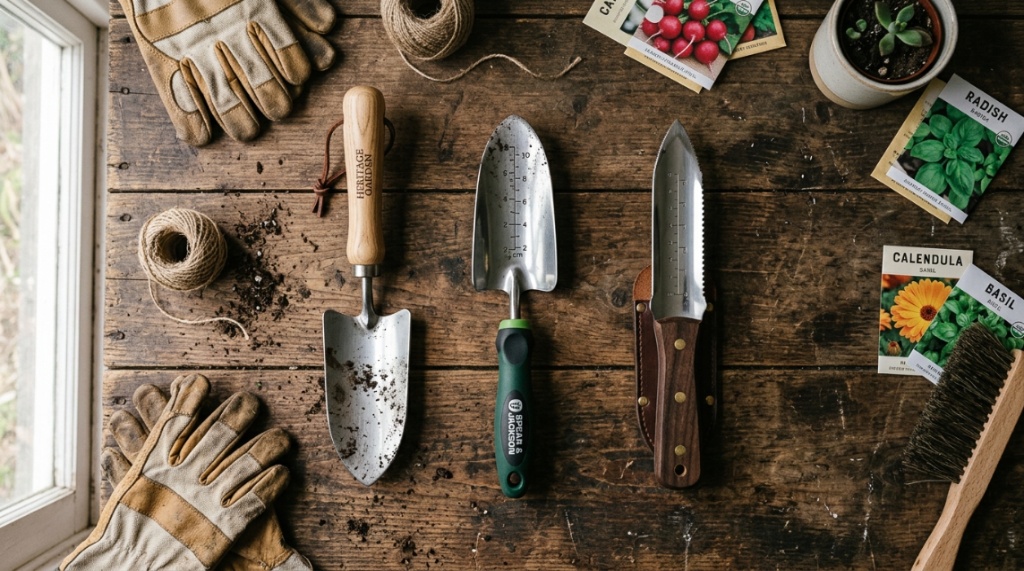
This is the traditional pointed blade, roughly 5 to 6 inches long. It is the most versatile shape and works well for transplanting seedlings, digging small holes, and weeding in loose soil. If you only own one trowel, this is the shape to buy.
The Narrow or Soil Knife Shape (Precision Work)
Also called a “dandelion digger” or “weeding knife,” this shape is long, thin, and often serrated on one edge. It excels at cutting roots, removing deep taproots, and working in tight spaces between established plants. It is less effective for scooping soil or moving large amounts of compost.
The Wide or Scoop Shape (Bulb Planting & Potting)
These trowels look like small shovels with a flat, wide blade. They are designed for moving loose material quickly: potting mix into containers, planting bulbs in groups, or scooping compost. They tend to be less sturdy for digging into hard ground.
Pro tip: If you do a mix of container gardening and in-ground planting, buy a standard trowel and a scoop trowel. They cover 90% of your needs and can be found as a pair for under $30 total.
How Do You Test a Trowel’s Handle Before Buying?
The Grip Test for Comfort and Control
Hold the trowel as you would naturally use it. Your palm should rest comfortably around the handle without your fingers overlapping. If the handle is too thick or too thin, your hand will cramp. Look for a handle that fills the hollow of your palm without forcing your grip into an unnatural position.
Material Matters: Wood, Plastic, or Rubber?
- Hardwood (Ash or Beech): Classic, comfortable, and eco-friendly. It needs to be sealed or oiled to prevent drying out. It can splinter over time.
- Rubber or TPE Overmold: Excellent grip, even with wet hands. Usually fits well in the hand but can degrade in UV light if left in the sun.
- Solid Resin or Polypropylene: Durable, often ergonomic, and immune to moisture. However, some cheap plastic handles are slippery and brittle.
The Tang Test: Full Tang vs. Partial Tang
This is the single most important structural test. A trowel with a full tang has a single piece of metal running the entire length of the handle, visible at the end. These are the strongest and most durable. A partial tang runs only partway into the handle. This is acceptable if the manufacturer pins or rivets the handle to the metal. Avoid anything that is just glued. You can test this by trying to twist the handle slightly. If you feel any play, put it back.
What Is the Best Handle Style for Reducing Hand Fatigue?
Ergonomic vs. Traditional Straight Handle
Ergonomic handles have a curved or angled shape that keeps your wrist in a neutral position while pulling soil. For anyone with arthritis or carpal tunnel, or anyone who gardens for more than an hour at a time, an ergonomic handle is non-negotiable. Straight handles are fine for short tasks but will cause fatigue faster.
How Handle Length Affects Leverage
A standard trowel handle is about 4 to 5 inches. Some “long-handled” trowels offer 6 to 8 inches of handle. These provide better leverage when digging into hard soil and keep your knuckles out of the dirt. The trade-off is reduced maneuverability in pots and tight spaces. For bed work, a longer handle is almost always better.
Grip Texture and Diameter
Look for a handle with a slightly textured surface. Smooth plastic becomes slippery when wet. Wood with a light grain is naturally grippy. Rubberized coatings provide the best grip but can wear off over a few seasons. A handle diameter of roughly 1.25 to 1.5 inches is the sweet spot for most adult hands.
Can a $10 Trowel Outperform a $30 Trowel?
When Price Is a Poor Indicator of Quality
Yes. In blind tests, many $12 trowels match or exceed the performance of $30 models from designer brands. The difference often comes down to brand cachet or packaging, not steel quality. For example, many European gardening brands sell trowels made in the same Chinese factories that produce the house-brand trowels for independent garden shops, but at double the price.
Hidden Costs of the Cheapest Options
A trowel that costs $4 will likely cost you more in the long run. The handle will crack, the blade will rust, or the tang will snap. When you buy a trowel for $12–$15 that lasts 5 years, your cost per use is negligible. That is true affordability.
What the “Premium” Brands Actually Give You
- Forged (not stamped) steel: More durable but heavier.
- Lifetime warranty: Peace of mind, but often unnecessary for a $15 tool.
- Better steel alloy: Holds an edge longer and resists rust better.
If you find a well-reviewed, mid-range trowel with a full tang and a comfortable handle, you do not need to spend more. The garden trowel affordable garden trowel options on the market today prove that price does not define performance.
How Should a Garden Trowel Fit Your Hand Size?
Measuring Your Hand for the Right Fit
Measure from the base of your palm to the tip of your middle finger. If you are a “small” gardener with a hand length under 7 inches, look for a trowel labeled as “petite” or “compact.” These have shorter handles and slightly narrower blades. Standard trowels are built for medium to large hands.
The “One Finger” Test
When you hold the trowel, the handle should be long enough that your pinky finger does not pinch against the back of the blade. If your pinky rests on the metal or the neck of the trowel, the handle is too short. This will cause blisters and discomfort.
Why Gender-Neutral Design Is Important
Many “traditional” trowels were designed for the average male hand. As more women and younger gardeners enter the hobby, manufacturers are finally making scaled-down versions. Do not feel pressured to buy the “standard” size. The right tool is the one that fits your hand.
Which Blade Material Resists Rust and Bending Best?
Stainless Steel: The Gold Standard for Affordability
Grade 420 or 440 stainless steel is common in good affordable trowels. It resists rust, is easy to clean, and holds a reasonable edge. It is not as hard as carbon steel, but it will not require oiling or special storage. This is the best choice for most gardeners.
Carbon Steel: Sharp and Tough, But High Maintenance
Carbon steel holds a sharper edge and is extremely tough. However, it rusts quickly if not dried and oiled after every use. In humid climates or for gardeners who prefer low-maintenance tools, carbon steel is usually a downgrade in convenience.
Aluminum and Titanium Options
- Aluminum: Very lightweight and does not rust. However, it is soft and will bend under pressure in rocky soil. Avoid for serious digging.
- Titanium: Incredibly strong and lightweight, but very expensive. You will not find a genuinely affordable titanium trowel. If you see one for under $20, it is a titanium-coated steel tool, which is just marketing.
How Important Is a Serrated Edge on a Garden Trowel?
When Serrations Help
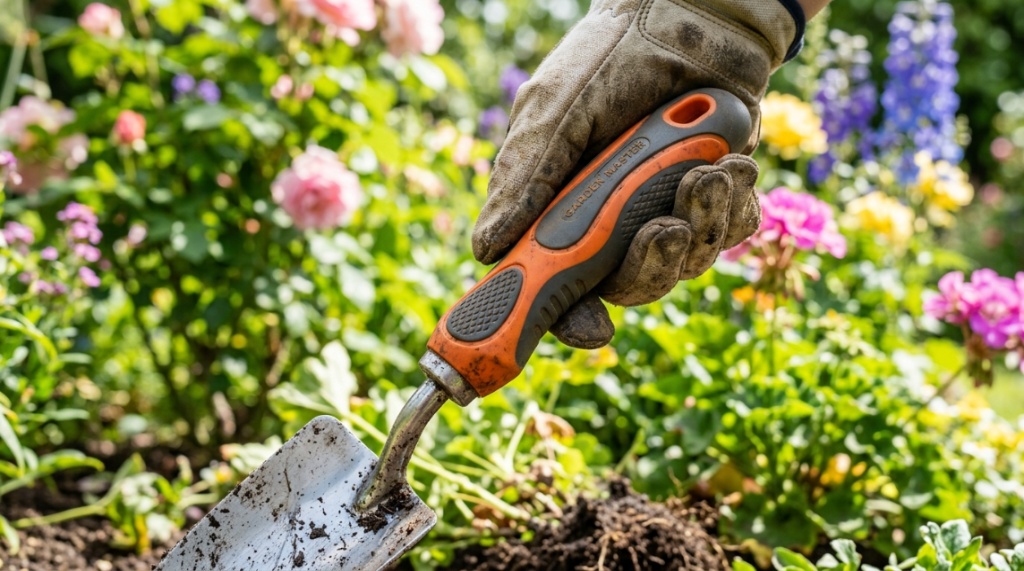
A serrated edge is useful for sawing through roots, cutting through sod, or scraping out moss from between pavers. If you do a lot of weeding or transplanting in established beds with dense root systems, a serrated edge is a genuine timesaver.
When Serrations Hinder
Serrations make the trowel less effective for scooping soil cleanly. They can also be annoying to clean. Dirt gets trapped in the teeth. If you primarily pot plants or dig in soft, loose soil, a smooth blade is better.
Hybrid Design: The Best of Both Worlds
Some trowels have a smooth blade with a serrated section on one side, usually near the tip. This gives you the cutting ability when you need it without compromising the scooping action. This is the smartest design for an all-purpose tool.
How Do You Read Online Reviews Without Being Misled?
Focus on Verified Purchase Reviews
Ignore the “helpful” upvotes. Look for the “Verified Purchase” badge. These reviews are from actual buyers. Pay attention to comments about the tang breaking or the handle cracking after a season. Those are the real red flags.
Once you have picked out the perfect hand tool, it is time to get inspired by community designs. Check out our coverage of the gorgeous displays at the Yeo Valley Organic Garden Festival 2026 for brilliant ideas you can recreate in your own backyard.
Look for Comparison Photos from Long-Term Users
The best reviews include photos of the trowel after 6 months of use. Rust spots, bent blades, and loose handles are obvious in these photos. If no one has posted a long-term use photo, assume the trowel is new to the market.
Avoid Review Farms and Short, Generic Feedback
If you see 10 identical reviews saying “Great product, fast shipping,” followed by a 5-star rating, those are likely paid or incentivized reviews. Look for the middle ratings—3 and 4 stars. They are usually the most honest and detailed.
What Are the Best Maintenance Practices for an Affordable Trowel?
Clean After Every Use
Wipe the blade clean with a stiff brush or a rag. Do not leave soil caked on. Damp soil accelerates corrosion, especially on carbon steel blades. A quick rinse and dry takes 30 seconds and doubles the life of the tool.
Oil the Wood Handles
If your trowel has a wood handle, apply boiled linseed oil or tung oil once a season. This prevents the wood from drying out, cracking, or splintering. Do not use cooking oil—it will go rancid and attract pests.
Store in a Dry Place
Never leave your trowel stuck in the ground or under a rain shower. Store it in a shed, garage, or tool bag. Even stainless steel can stain if left in contact with wet soil for days. A simple hook on the wall works wonders.
Conclusion
Finding the right trowel does not require a big budget or a PhD in metallurgy. You need something that fits your hand, resists bending and rust, and has a properly attached handle. Focus on the tang, the steel gauge, and the comfort of the grip. Ignore the marketing hype about “professional grade” or “premium” labels.
Start with a standard-shaped, stainless-steel trowel with a full tang and a comfortable handle in the $12–$20 range. That one tool will get you through potting, transplanting, and weeding for years. If you find yourself needing a specialized shape later, you can always add a second trowel.
Your garden deserves a tool that works as hard as you do. Do not settle for a flimsy piece of stamped metal. Do the research, make the smart choice, and get back to enjoying the dirt.
Frequently Asked Questions
Can I use a garden trowel for breaking up hard clay soil?
For light clay, yes. For heavy, compacted clay, you need a broader tool like a digging fork or a hori-hori knife. A standard trowel will bend or snap if used as a pry bar in hard clay.
Is a wooden or a plastic handle better for a garden trowel?
Wood is more comfortable and eco-friendly but requires maintenance. Plastic (especially resin or TPE) is lower maintenance and often more durable. The best choice depends on whether you prefer classic feel or convenience.
How long should an affordable garden trowel last?
With proper care, a quality affordable trowel should last 3 to 5 years of regular use. The blade should not bend, and the handle should not loosen. If it fails sooner, it was not a good buy.
What is the difference between a trowel and a hori-hori knife?
A trowel is primarily for digging and scooping. A hori-hori knife is a multipurpose tool used for cutting roots, weeding, and measuring planting depth. Many gardeners consider the hori-hori a superior alternative for certain tasks.
Should I buy a trowel set or a single trowel?
Buy one high-quality trowel first. A set of three cheap trowels is a waste of money because they will all break. Once you know what shape you prefer, consider adding a second specialized trowel later.
Can I sharpen my garden trowel?
Yes. A trowel with a sharp edge cuts through soil and roots more easily. Use a fine metal file or a sharpening stone. Be careful not to remove too much material. Sharpening is especially useful for carbon steel trowels.
Do I need a trowel with measurement markings?
Measurement markings on the blade (in inches or centimeters) are useful for planting bulbs and seeds at the correct depth. They are a nice feature but not essential. You can mark your own with a permanent marker or simply use a ruler.