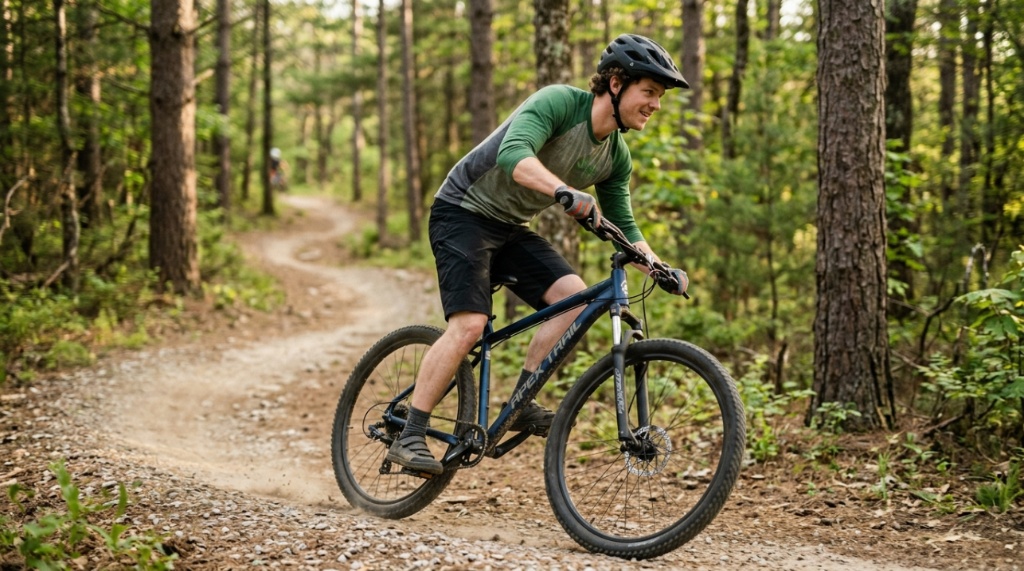
The best Entry-Level Mountain Bikes are the ones that fit properly and prioritize safe braking, trail-capable tires, and reliable shifting. Use a Mountain Bike Buying Guide mindset: choose the simplest setup that matches your trails and your riding frequency, then upgrade only after you’ve identified a real limitation.
Entry-level buyers often get stuck between two fears: “If I buy too cheap, it won’t be safe,” and “If I spend more, will I even ride enough to justify it?” That tension leads to rushed purchases or endless comparison loops. The truth: you can buy an entry-level mountain bike that feels stable, fun, and dependable—if you focus on fit and safety first instead of chasing specs. This guide answers the exact questions people search so you can choose confidently this year.
What counts as an entry-level mountain bike?
Direct answer: An entry-level mountain bike is designed for beginners and casual riders, balancing affordability with basic trail capability and reliable components.
Entry-level typically means a hardtail frame, front suspension, and durable parts that can handle learning curves: missed shifts, imperfect lines, and occasional tip-overs.
Should your first entry-level mountain bike be a hardtail?
Direct answer: Yes for most riders—hardtails offer better value, easier maintenance, and teach solid trail skills.
At entry prices, full-suspension bikes often compromise brakes and durability. A hardtail usually gives you better real-world control for the money.
People also ask: Is full suspension necessary for beginners?
Direct answer: Not usually—beginners benefit more from correct sizing, good tires, and safe brakes than rear suspension.
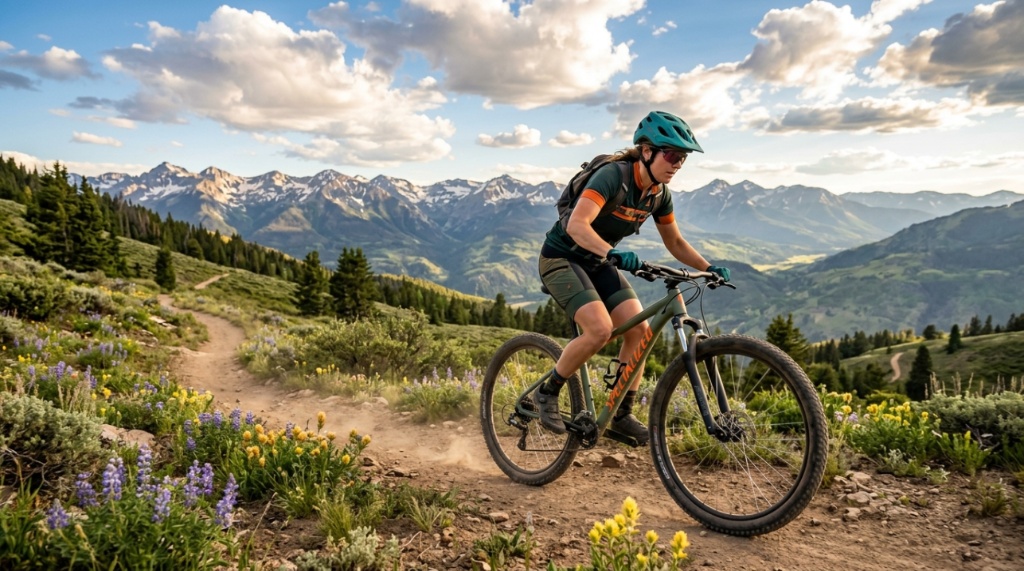
How do you pick the right size on entry-level mountain bikes?
Direct answer: Use the manufacturer size chart and confirm comfortable standover and relaxed reach; the right size improves control and confidence immediately.
- Standover: You can straddle the bike without discomfort.
- Reach: Relaxed shoulders, soft elbows, neutral spine.
- Standing control: You can stand and move without feeling cramped or stretched.
People also ask: If I’m between sizes, which should I choose?
Direct answer: Many beginners do better sizing down for confidence and maneuverability, then adjusting the cockpit for comfort.
What brakes should entry-level mountain bikes have?
Direct answer: Prioritize disc brakes with consistent stopping power; hydraulic discs are ideal for control and reduced hand fatigue.
Brakes are your safety system. If a bike feels under-braked on a test ride (weak stopping, squealing with vibration, lever pulling to the bar), it’s not a good “entry” choice for trails.
What tires make an entry-level bike feel stable on trails?
Direct answer: The right tire tread and pressure create stability; even a basic entry-level bike can feel confident with trail-appropriate tires.
- Hardpack: Faster rolling center tread
- Loose over hard: Strong side knobs for corners
- Wet/mud: Wider knob spacing (if you ride in wet conditions)
People also ask: What’s the fastest way to improve an entry-level mountain bike?
Direct answer: Tires (plus correct pressure) are usually the fastest, most noticeable improvement for grip and comfort.
What drivetrain setup is best for beginners?
Direct answer: A simple drivetrain that shifts cleanly is best; a 1x setup is ideal, but not required if the bike shifts reliably.
Don’t buy based on “speed count.” Focus on a usable low gear for climbing and consistent shifting under load.
How much suspension do you need on an entry-level mountain bike?
Direct answer: A basic front suspension fork is enough for learning and light-to-moderate trails; fork quality matters more than travel numbers.
In entry-level ranges, forks may be heavy and minimally adjustable. Smooth movement and lack of clunks/leaks matter more than the “mm travel” claim.
How do you compare entry-level mountain bikes quickly?
Direct answer: Compare fit first, then brakes and tires, then drivetrain and fork quality—those predict safety and enjoyment.
| Priority | What to compare | Why it matters |
|---|---|---|
| 1 | Correct sizing and comfortable reach | Control, confidence, and injury prevention |
| 2 | Braking power and feel | Safety on descents and loose surfaces |
| 3 | Tire tread/compound and pressure range | Traction and comfort on trails |
| 4 | Drivetrain reliability on climbs | Less skipping, fewer frustrations |
| 5 | Fork smoothness and serviceability | Traction and fatigue reduction |
If you want a real budget benchmark for how an entry-level hardtail can be spec’d (especially with modern wheels), this Entry-Level Mountain Bikes example review can help you compare what you’re seeing.
What mistakes should you avoid when buying entry-level mountain bikes?
Direct answer: Avoid the wrong size, avoid weak brakes, and avoid paying for “features” that reduce reliability or increase maintenance costs.
- Buying the wrong size because it’s discounted
- Buying cheap full suspension instead of a better hardtail
- Ignoring tires and riding with pressures that are too high
- Skipping a basic tune-up after assembly or shipping
Conclusion: What’s the best entry-level mountain bike this year?
Direct answer: The best entry-level bike is a well-fitting hardtail with dependable brakes, trail-ready tires, and a drivetrain that shifts reliably.
Buy the bike that makes you want to ride weekly. Nail the fit, prioritize braking and traction, and keep maintenance simple. If you share your height, local trail type, and where you plan to ride most, I can help you pick the exact category and “must-have” specs for your area.
FAQ
What are Entry-Level Mountain Bikes best used for?
Direct answer: They’re best for learning skills, fitness rides, and light-to-moderate trails where reliability and confidence matter most.
How do I follow a Mountain Bike Buying Guide without getting overwhelmed?
Direct answer: Start with size/fit, then brakes and tires, then compare drivetrain and fork as secondary factors.
Do I need hydraulic disc brakes as a beginner?
Direct answer: They’re not mandatory, but hydraulic discs improve control and reduce hand fatigue, which helps beginners ride longer and safer.
Is a 1x drivetrain necessary for entry-level bikes?
Direct answer: Not necessary, but it’s simpler and often more reliable; choose it if available without compromising fit or brakes.
How often should I service an entry-level mountain bike?
Direct answer: Check tire pressure weekly, clean and lube the chain regularly, and get a tune-up when shifting or braking feels off.
What’s the first upgrade I should make?
Direct answer: Tires (and dialing pressure) are usually the first upgrade that noticeably improves grip and comfort.
Should I buy used for my first mountain bike?
Direct answer: Used can offer better value, but verify fit and condition and budget for a safety tune-up.