
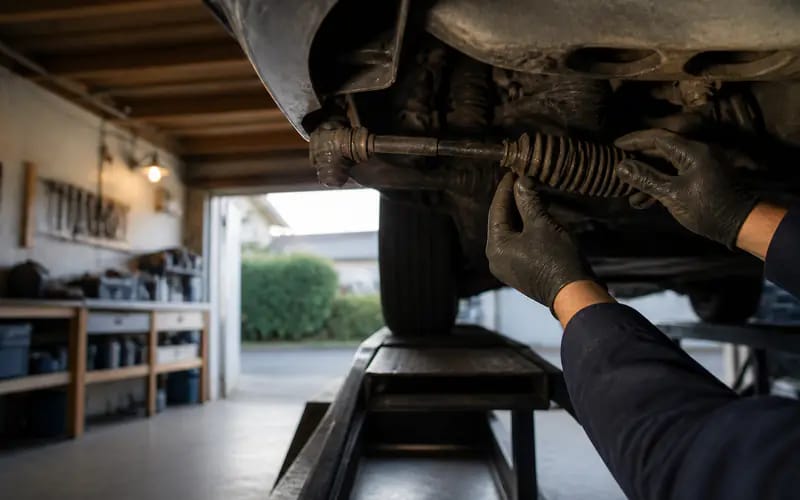
A manual steering rack will have an easier time lasting longer if you know ahead of time exactly what will kill it. While there is no mileage that can guarantee the life expectancy of a manual steering rack, there are seven very important factors that will contribute to the life expectancy of a manual steering rack.
Driving Style And Kerb Contact
Abusing a steering wheel, locking it up and sticking it against a wall or other solid object can also cause severe damage. As the tires wear down, the point where the tire touches the ground will move. In such a case, locking up the steering wheel and abusing it can cause severe shock to the teeth and pinion of the steering rack. This will cause rapid wear and also cause the steering to lock up or not to stop as before. Abuse of this type can cause severe wear in a very short space of time.
Gaiter Condition
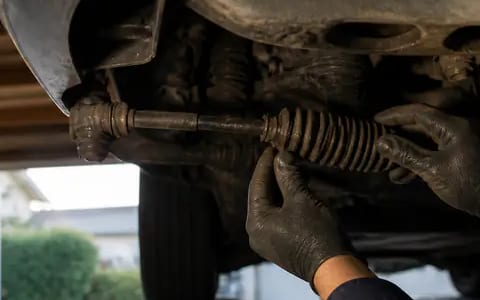
If your steering rack gaiter is damaged (cracked, torn etc) then it should be replaced straight away. Although damage to a gaiter is usually down to age and not accident related, once it splits or perishes then it will allow grit, road salt and water to enter the steering and start to wear away the track rod inner and the steering rack’s internal bore. Check for cracks and tears in the gaiters and for any greasy marks or signs of wear around the retaining clips.
Track Rod End And Ball Joint Wear
The Track Rod Ends and Ball Joints are also main factors for wear on a Steering Rack. Worn Track Rod Ends and / or worn Ball Joints cause wear on the Steering Rack’s inner joints. This can occur before signs of wear on the outer joints become apparent and can cause sudden failure of the Steering Rack. It’s relatively simple to inspect the Track Rod Ends for wear by trying to rock them whilst someone else turns the wheel. If any movement occurs before the wheel starts to turn it indicates wear.
Mounting Bush Condition
Mounting Bush Condition – The rubber mounting bushes secure the steering rack to the chassis and over time these can deteriorate causing the rack to move within its mounting. If the rack mounting bushes are worn you may notice uneven wear on the rack housing. Also, when turning the steering lock to lock you may hear or see a knock or clonking noise coming from the steering rack mounts. See also Manual Steering Racks.
Road Surface And Pothole Exposure
Potholes and sharp edges in the road surface can be very wearing for a manual steering rack. Every time you go over a pothole or sharp edge the whole of the steering linkage is subjected to a sharp shock which is transferred to the teeth and pinion of the rack. This can wear the teeth of the rack down quickly, and can also introduce play into the rack’s inner joints. As with any wear on your car, the more you drive on poor surfaces the more wear you will get.
Vehicle Usage Pattern
Regular use of a vehicle tends to be better than leaving it to sit for weeks or months at a time. A stationary manual steering rack can suffer from moisture to seep into the housing and track rod ends. This is particularly problematic when the vehicle is left outdoors or near the coast and exposed to salt-laden air. If a vehicle is going to be left stationary for extended periods of time then the occasional rotation of the steering wheel to lock will be beneficial in keeping the fluid mobile and the surfaces lightly coated.
Build Quality And Initial Fit
Even the best manual steering rack has a short life span if it wasn’t fitted correctly in the first place. Correctly fitted manual steering rack replacement parts should be torqued up to the correct torque setting as specified by the manufacturer, and then the tracking of the steering should be checked and set up correctly. A good quality reconditioned or new steering rack and suitable lubrication and gaiters should be used for a steering rack replacement. It’s also worth asking if the part was pressure tested, and if a fitting report and/or warranty is included with the part for the work that was carried out.
Watching for these seven factors doesn’t mean you can precisely forecast the long life of a component, but it will help you understand what’s wearing out early and enable you to take appropriate action before minor problems develop into full-scale failures with a full replacement required.