
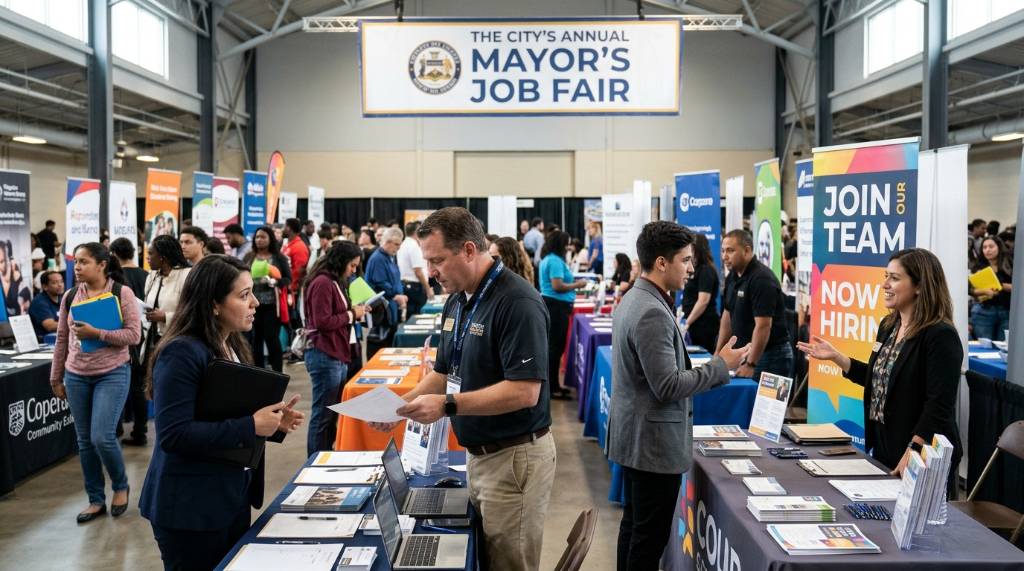
Looking for a new job in the new year? Then mark Wednesday, January 20, 2027 on your calendar. On that day, the city brings local employers and job seekers together under one roof. You can meet hiring managers, hand over your resume, and even interview on the spot. Moreover, the event costs nothing to attend. This guide explains the schedule, the registration steps, the jobs on offer, and the career help you can use. Read it before you go, and you will walk in with a plan.
Mayor’s Job Fair 2027 at a Glance
First, here is a quick summary. Use this table to save the key facts. However, organizers may adjust small details, so check the official city announcement before you travel.
| Detail | Information |
| Date | Wednesday, January 20, 2027 |
| Format | In-person hiring event, with possible online options |
| Cost | Free for job seekers |
| Best for | Students, graduates, career changers, and experienced workers |
| What to bring | Resumes, photo ID, and a notepad |
| Dress code | Business casual or smart clothing |
| Registration | Online or at the door, based on city rules |
What Is the Job Fair?
A mayor’s job fair is a public hiring event. The mayor’s office hosts it, and local employers join to fill open roles. Many city agencies, private companies, and training groups take part. As a result, you meet many possible employers in one day instead of sending dozens of online applications.
The fair also supports the local economy. When residents find work, families earn more and local shops thrive. Therefore, cities treat these events as a key part of their growth plans. Employers like them too, because they meet motivated candidates face to face.
Why You Should Attend
Online applications often vanish into a pile. At a live event, however, you speak with a real person. That simple contact can set you apart. Here are the main benefits:
- You meet many employers in a few hours.
- You learn about jobs that never reach job boards.
- You can ask questions about pay, hours, and training.
- You practice your interview skills in a low-pressure setting.
- You build a network that helps long after the event.
- You may receive an interview offer the same day.
Additionally, the fair suits all career stages. A fresh graduate can find entry-level roles. Meanwhile, a skilled worker can find senior posts. A parent returning to work can find flexible hours.
Schedule for January 20, 2027
Organizers usually split the day into clear blocks. The table below shows a typical flow. Because each city sets its own times, treat this as a planning guide and confirm the final program on the official page.
| Time | Activity |
| 8:30 AM | Doors open and check-in begins |
| 9:30 AM | Opening remarks from the mayor and city leaders |
| 10:00 AM | Employer booths open to all visitors |
| 11:00 AM | Resume review desks and career coaching begin |
| 12:00 PM | Short lunch break and networking time |
| 1:00 PM | Workshops on interviews and salary talks |
| 2:30 PM | On-the-spot interviews for shortlisted candidates |
| 4:00 PM | Final booth visits and employer meetings |
| 5:00 PM | Event closes |
Arrive early if you can. Lines grow fast after the opening remarks. Furthermore, the best conversations often happen in the first two hours, when recruiters feel fresh and have plenty of time.
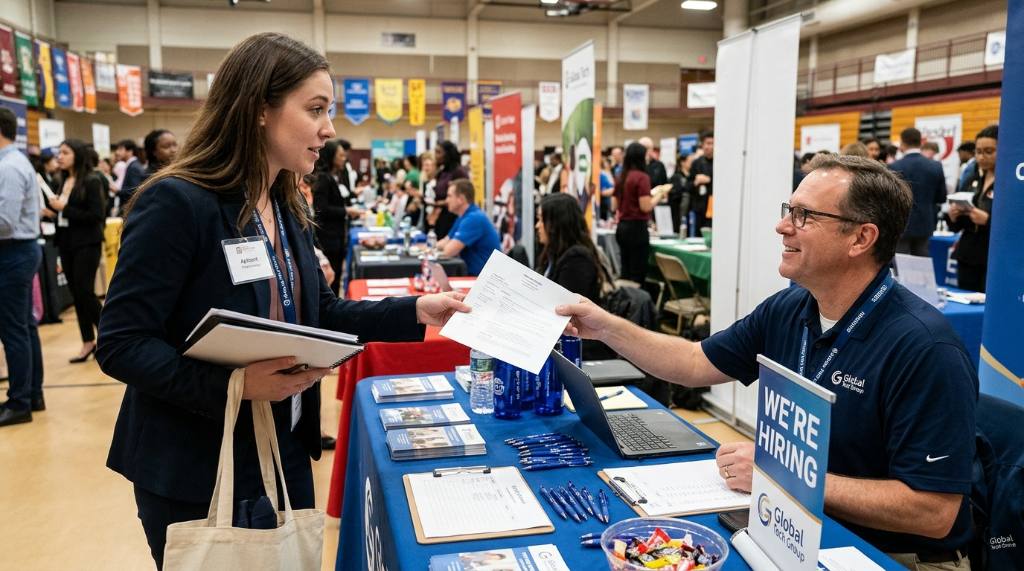
How to Register
Registration is simple, and it saves time on the day. Follow these steps:
- Visit the official city or mayor’s office website and find the job fair page.
- Click the registration link and create a free account if the site asks for one.
- Fill in your name, phone number, email, and job interests.
- Upload your resume if the form allows it.
- Submit the form and look for a confirmation email or text.
- Save or print your confirmation, and bring it with you.
Some cities also accept walk-ins. Nevertheless, pre-registration is the smarter choice. It shortens your wait at check-in, and employers may see your profile before you arrive. In addition, you receive updates if the venue or timing changes.
Documents and Items to Bring
Good preparation shows respect for employers. Pack a folder or slim bag with these items:
- Ten to twenty printed copies of your resume
- A valid photo ID
- Your registration confirmation
- A pen and a small notepad
- A list of your references
- Copies of key certificates or licenses
- A portfolio, if your field uses one
- A bottle of water and a light snack
- A phone with a full charge
Keep everything neat. A crumpled resume sends the wrong signal, whereas a clean folder shows care.
Job Opportunities You Can Expect
Employers come from many fields. The exact list depends on who signs up, but past fairs often feature the sectors below. Browse the table to see where you might fit.
| Industry | Common Roles |
| Healthcare | Nurses, medical assistants, lab technicians, caregivers |
| Technology | Support staff, developers, data analysts, network technicians |
| Retail and hospitality | Sales associates, cashiers, hotel staff, restaurant crew |
| Manufacturing and logistics | Machine operators, drivers, warehouse staff, supervisors |
| Construction and trades | Electricians, plumbers, welders, site managers |
| Education | Teaching assistants, tutors, school administrators |
| Finance and banking | Tellers, customer advisors, accountants |
| Public service | Clerks, inspectors, transit workers, public safety staff |
| Customer service | Call center agents, help desk staff, account managers |
In addition to full-time posts, many employers offer part-time work, seasonal jobs, internships, and apprenticeships. Therefore, even students and people seeking flexible schedules can find a match.
Public Sector Jobs
City departments often recruit at the fair. These roles offer steady pay, health benefits, and retirement plans. Moreover, they usually provide clear promotion paths. Ask each department about civil service tests, because some posts require an exam.
Private Sector Jobs
Local businesses and large firms hire as well. Small companies often move fast. They may call you within days. Large firms, on the other hand, may offer structured training and wider career ladders. Compare both options before you decide.
Internships and Entry-Level Roles
New graduates should visit these booths first. Many employers want fresh talent and will train the right person. Ask about paid internships, since they often turn into permanent jobs.
How to Prepare Before the Fair
Preparation separates confident candidates from nervous ones. Start a week ahead and work through these steps.
Update Your Resume
Keep your resume to one page if you have under ten years of experience. List your recent jobs first. Use short bullet points that show results, such as sales growth or time saved. Then proofread twice. Ask a friend to read it as well, since fresh eyes catch errors.
Research the Employers
Check the list of attending companies on the event page. Pick ten that interest you. Read about their products, values, and open roles. Consequently, you can ask smart questions and show real interest. Recruiters notice this effort.
Practice Your Introduction
You need a short pitch of about thirty seconds. Say who you are, what you do well, and what job you want. For example, you might say you are a customer service pro with five years of experience who wants a team lead role. Practice it aloud until it sounds natural.
Prepare Your Questions
Write three to five questions for each recruiter. Good examples include:
- What does a typical day look like in this role?
- What skills matter most for success here?
- How does your hiring process work?
- What training do new hires receive?
- When do you expect to make decisions?
What to Wear
Dress as you would for a real interview. Business casual works well in most fields. Choose clean, pressed clothes and comfortable shoes, because you will stand and walk a lot. Keep perfume light and accessories simple. If you apply for a trade job, tidy work clothes can also work, but neat is always the rule.
Tips for the Day of the Event
The fair can feel busy. These habits help you stay calm and effective.
- Arrive early and check in first.
- Grab the event map and plan your route.
- Visit your top three employers before the crowds build.
- Smile, greet recruiters, and offer a firm handshake.
- Listen closely and take notes after each talk.
- Ask for business cards so you can follow up.
- Take breaks to rest and drink water.
- Stay polite, even in long lines.
Furthermore, do not skip the smaller booths. Smaller firms sometimes hire faster and offer more hands-on roles. Visit a few outside your list, because you may find a surprise fit.
Career Resources at the Fair
The fair offers more than job booths. Many cities add free services that boost your chances. Look for these:
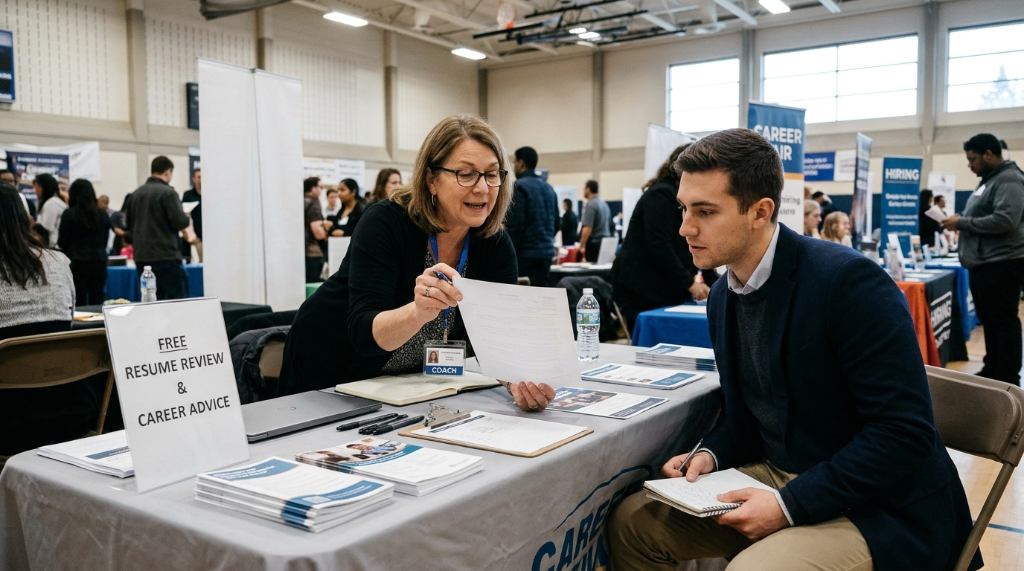
- Resume review desks, where coaches fix mistakes and sharpen your wording
- Mock interview tables, where volunteers give honest feedback
- Career counseling, which helps you choose a path or switch fields
- Skills training providers, who explain short courses and certificates
- Workforce agencies, which help with job searches and unemployment programs
- Workshops on salary talks, personal branding, and online profiles
- Professional photo corners for profile pictures, at some events
Take full advantage of these tools. Even if you do not land a job on the spot, you leave stronger than you arrived.
Support for Special Groups
Many fairs reserve help for people who face extra hurdles. Ask the information desk about the following:
- Veterans: Some employers target military skills and offer priority hiring.
- Youth and students: Booths for internships, apprenticeships, and first jobs often sit together.
- People with disabilities: Inclusive employers and support agencies usually attend, and venues provide accessible entrances and seating.
- Returning workers: Programs help people who took a career break to raise children or care for family.
- Job seekers with limited English: Interpreters or translated materials may be available.
If you need an accommodation, contact the organizers before January 20. Therefore, they have time to arrange it.
After the Fair: Follow-Up Steps
The work does not end when you leave. In fact, follow-up often wins the job. Use this plan:
- Review your notes the same evening while memories stay fresh.
- Send a thank-you email within 24 hours to every recruiter you met.
- Mention one detail from your chat so they remember you.
- Apply online for any role they recommend, and cite your meeting.
- Connect with recruiters on professional networking sites.
- Prepare for interviews that arrive in the next two weeks.
- Keep searching, because one fair rarely fills every need.
Patience matters. Hiring takes time, and some firms respond after a month. Nevertheless, a polite reminder after two weeks shows interest without pressure.
Common Mistakes to Avoid
Even strong candidates slip up. Watch for these errors:
- Arriving late or without a resume
- Asking recruiters what their company does
- Handing out resumes without any conversation
- Staring at your phone in line
- Speaking negatively about a former boss
- Forgetting to collect contact details
- Skipping the thank-you message
Avoid them, and you will already stand ahead of many visitors.
Conclusion
The Mayor’s Job Fair 2027 on January 20 offers a rare chance to meet many employers in one day. First, register early and confirm the schedule on the official city page. Next, update your resume, research the companies, and practice a short pitch. On the day, dress well, arrive early, and talk to as many recruiters as you can. Finally, follow up quickly with thank-you notes and fresh applications. With solid preparation and a positive attitude, you can turn a single day into the start of a new career. Start your plan today.
Frequently Asked Questions
1. When is the job fair?
The event takes place on Wednesday, January 20, 2027. Doors usually open in the morning, but confirm the exact hours with the organizers.
2. Is the event free?
Yes. Job seekers normally attend at no cost. Employers may pay a booth fee, but visitors do not.
3. Do I need to register first?
Registration is not always required, yet it is strongly advised. It speeds up check-in and keeps you informed of any changes.
4. How many resumes should I bring?
Bring at least ten to twenty copies. Bring extra if you plan to visit many booths.
5. What should I wear?
Wear business casual or a neat outfit that suits your field. Comfortable shoes help, since you will walk and stand for hours.
6. Can students and recent graduates attend?
Absolutely. Many employers seek interns and entry-level staff, and career coaches help first-time job seekers.
7. Will employers interview people on the spot?
Some will. Others collect resumes and schedule interviews later. Prepare for both options.
8. Can I attend if I already have a job?
Yes. Many attendees want a better role or a new path. Just keep your conversations professional.
9. Are there services for people with disabilities?
Most venues offer accessible entry, seating, and support. Contact the organizers ahead of time to request specific help.
10. What should I do after the event?
Send thank-you emails within one day, apply for recommended roles, and follow up after two weeks if you hear nothing.