
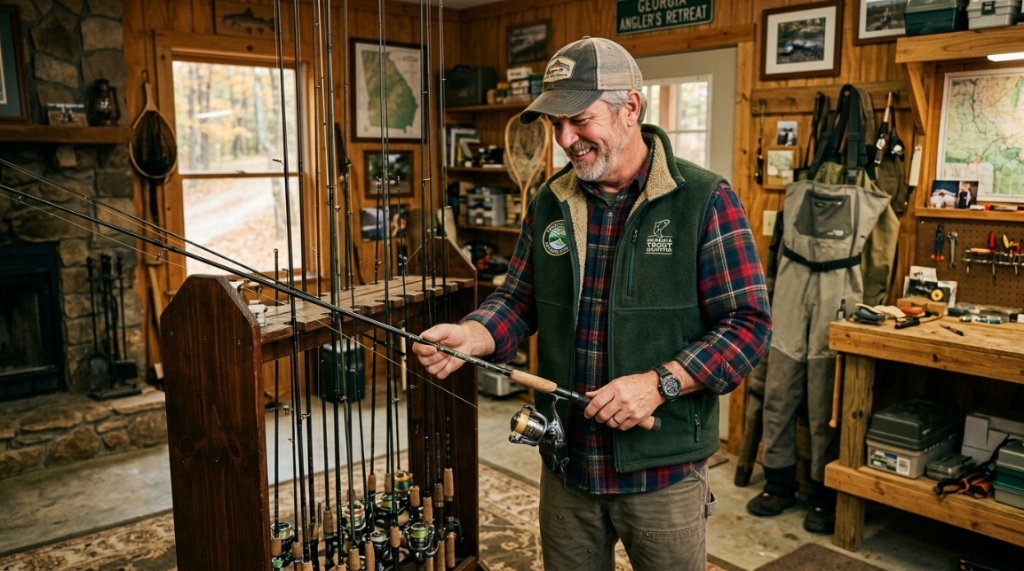
Picture this you’ve just returned from a long day on Lake Lanier. Your rods are tangled in the back of your truck, guides are knocking against each other, and you’re dreading the inevitable mess waiting in your garage. Sound familiar? Georgia anglers face a unique set of challenges humidity that rusts components, cramped storage spaces, and the constant need to keep expensive gear protected between trips. The solution isn’t just any storage unit; it’s finding the best fishing rod racks in Georgia that actually withstands our climate and lifestyle. In this comprehensive guide, you’ll learn exactly what to look for, how to match a rack to your fishing style (freshwater bass vs. coastal saltwater), and installation tips that keep your rods secure through Georgia’s humid summers and occasional ice storms. We’ll break down materials, mounting options, capacity choices, and budget considerations so you can spend less time organizing and more time casting.
What Are the Most Durable Materials for Rod Racks in Georgia’s Humid Climate?
For Georgia’s subtropical humidity, powder-coated aluminum or marine-grade stainless steel are your top choices because they resist rust and corrosion effectively. Plastic racks, while cheaper, often become brittle under prolonged UV exposure from Georgia sun.
When your storage area experiences 80%+ humidity for most of the year, material selection isn’t just about looks—it’s about protecting your fishing investment. The wrong material can transfer rust, flake, or weaken over time, ultimately damaging your rods or causing a catastrophic collapse.
Aluminum Alloys: The Lightweight Champion
Aluminum racks, especially those with a powder-coated finish, offer the best balance of weight and durability. They won’t rust like carbon steel, making them perfect for garages without climate control. Look for racks with a thickness of at least 1mm to prevent bending under heavy loads. This type is excellent for a bass angler storing multiple rod-and-reel combos near a humid crawl space.
Stainless Steel: The Saltwater Solution
If you fish the Georgia coast near Savannah or Brunswick, salt air is your enemy. Stainless steel grades like 304 or 316 offer superior protection against pitting and corrosion. While more expensive, these racks are a lifelong investment for inshore anglers who need to hose down their gear and racks frequently without worrying about deterioration.
Plastic and Polymer Options: Budget-Conscious Choices
High-density polyethylene (HDPE) racks are resistant to moisture and won’t rust, but they can sag under heavy weight in hot attics. They are best for ultralight rods or as temporary solutions. Avoid UV-unprotected plastics, as Georgia’s intense summer sun will make them brittle within two seasons, leading to potential cracks and storage failures.
How Many Rods Should Your Rack Hold?
Assess your current collection and your realistic growth over the next three years, then choose a rack that holds at least 25% more than that total. This prevents the need for immediate upgrades and keeps your gear organized as your skills expand.
Capacity isn’t just a number; it affects the physical footprint of the rack and how you organize by rod type. A mixed collection of spinning, casting, and fly rods requires different spacing. Understanding your inventory will guide you to the most efficient configuration. Once you have your storage sorted out, make sure your setup is complete by checking out this Cheap Fishing Rod and Reel Combo That Performs Like Premium Gear, which delivers exceptional performance without breaking the bank.
Small Capacity (1–4 Rods): Perfect for Apartments
For those in Atlanta condos or apartments, a compact 2-rod or 4-rod wall-mounted rack is ideal. These are perfect for a walk-in closet or behind a door. They keep rods accessible for quick trips to the Chattahoochee without taking up valuable floor space. Look for models with padded clips to protect the rod finish.
Medium Capacity (6–12 Rods): The Garage Standard
This is the sweet spot for the average Georgia angler who owns a bass boat or kayak. A 6-rod horizontal rack is excellent for a single wall, while a 12-rod vertical rack can fit into a corner. These racks allow you to separate your cranking rods from your flipping sticks, ensuring you grab the right tool instantly before sunrise.
High Capacity (18+ Rods): Serious Enthusiasts and Guides
If you are a fishing guide on Lake Oconee or a serious tournament angler, you need industrial-grade racks. Ceiling-mounted systems that hold 18–24 rods are common. These require secure anchoring into ceiling joists and are designed to distribute weight evenly, keeping high-end Gloomis or St. Croix rods safe from accidental bumps in a busy garage.
Which Mounting Type Is Right for Your Space: Wall, Ceiling, or Floor?
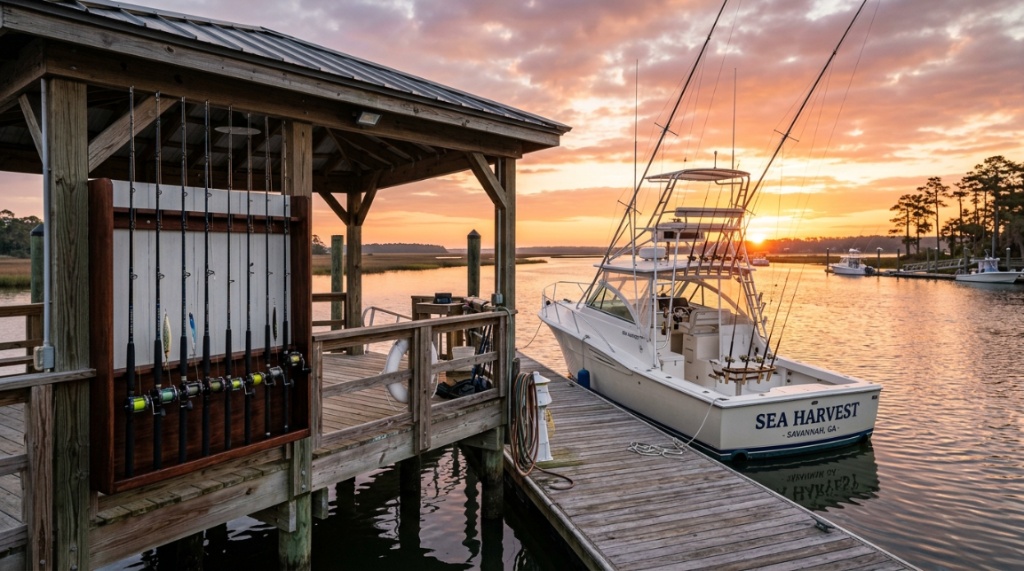
Wall-mounted racks are best for versatility and easy access, ceiling-mounted racks maximize floor space, and floor-standing racks are ideal for portability and rental homes where you can’t drill into walls.
The decision hinges on your specific storage area’s layout and your physical mobility. If you have high garage ceilings, ceiling storage frees up wall space for shelves. If you routinely move between a home and a lake house, a free-standing rack is invaluable.
Wall-Mounted Racks: Maximize Vertical Space
These are the most popular option because they keep rods off the floor, preventing accidents. When installing in a Georgia garage, locate the wooden studs behind the drywall. Use 2-inch lag bolts to ensure the rack can hold the torque of heavy rods being removed. Horizontal wall racks are excellent for storing rods fully rigged.
Ceiling-Mounted Racks: Unclutter Your Garage
Ceiling racks are a game-changer for a cramped space. The installation is all about safety; you will want to winch the system and store rods high above your car. They keep rods out of reach of kids and pets. Ensure your ceiling has adequate headroom (at least 7.5 feet) and that the operating system uses pulleys that are rated for at least 50% more than your rod weight.
Freestanding Racks: Flexibility for Renters and Travelers
For anglers who rent their homes or frequently change fishing locations, a freestanding floor rack is a must. These are heavy-duty bases that hold rods upright in tubes. They don’t require installation, but verify that the base is weighted or wide enough to prevent tipping over when you pull out a heavy trolling rod.
Can You Store Rods with Reels Attached?
Yes, you can store rods with reels attached, provided you select a rack that offers rod-specific spacing and reel hangers. However, you must mitigate tension on the rod blank and protect the line from UV damage.
In Georgia’s heat, monofilament line left under tension on a rod for weeks will develop “memory” and become unusable. This affects your casting distance significantly. A good rack and a proper storage routine will keep your reels ready to fish.
Reel Hangers and Guide Protection
Choose racks that hold the rod by the reel seat rather than just the tip or butt. This balances the weight correctly. Look for rubber or EVA foam inserts in the rod slots. These “yolk” or “hook” designs prevent the guides (eyes) from banging against each other, which is a common cause of guide insert cracking.
The Rule of Slack: Releasing Line Tension
Before hanging any rod, loosen the drag and remove about 12 inches of line from the reel. Tie the line to the rod’s hook keeper to maintain a slight slack. Always store rods with the reel facing downward and slightly inward toward the rack. This prevents the reel from unspooling and keeps dust from settling on the line.
How to Choose Between Vertical and Horizontal Storage Designs
Vertical designs store rods upright in tubes, protecting them from accidents but requiring tall space; horizontal designs store rods flat against a wall, making them perfect for garages with limited floor height.
Your choice here determines how much room you need and how fast you can grab a rod. Many Georgia anglers prefer horizontal for daily use, while vertical is better for precious rods that aren’t taken out every weekend.
Vertical Storage: Towel Tubes and Upright Racks
These systems are excellent for keeping rods separated and organized by length. However, they often require a dedicated wall height of 8 feet. The rods are stored butt-down or tip-down, which can put unnecessary stress on the tips if the tubes are not deep enough. They are excellent for a dedicated “rod locker” room.
Horizontal Wall Storage: The Everyday Warrior
This is the best option for immediate access. A horizontal rack mounted at shoulder height allows you to visually scan your line-up and pick the exact rod for the conditions. This method is better for the rod’s health as the weight is evenly distributed. It prevents the “lean” that can bend tips over time in vertical racks.
What Features Should You Look for in a Garage-Safe Rack?
Look for rust-proof hardware, rubberized contact points, and a weight capacity double your needs. In a garage, the rack will face temperature swings from 20°F in winter to 110°F in summer, alongside vehicle exhaust fumes.
It’s not just about holding the rod; it’s about the safety of the rod finish. Varnish and epoxy can react to chemicals, and unprotected metal clips can scratch the blank. Investing in the right coatings saves you money on rod repairs.
Non-Slip Padding and Foam Inserts
Always check for slot liners. Bare plastic guides are a red flag. The foam or rubber should be replaceable, as it wears down. This padding holds the rod securely without squeezing the blank too tight, which can crush a hollow rod tip.
Locking Mechanisms and Security
If your garage is not always locked, consider a rack with a locking rod lock or a cabinet-style unit. High-end rods cost hundreds of dollars. A simple cable lock or a metal cabinet that locks gives you peace of mind if you have contractors or visitors coming and going. For a comprehensive list of top-rated models featuring these safety elements, check out the best fishing rod racks in Georgia featured on our partner site.
When Is the Best Time to Install a Rod Rack in Georgia?
The best time to install a rod rack is during the mild seasons of early spring or late fall, as these periods offer comfortable working conditions in garages and attics for drilling and mounting.
Avoiding the summer heat is important—working with tools and epoxy in a 100-degree garage is not only uncomfortable but also affects the curing of certain adhesives. Additionally, scheduling installation before tournament season ensures your gear is ready.
Spring Preparation for Bass Season
March and April are ideal. As the water warms on Lake Sinclair and West Point Lake, you want your gear accessible. Installing racks in late winter ensures you are ready for the spring spawn without delaying your fishing time.
Winter Maintenance and Re-Organization
December and January are slow fishing months in North Georgia. This is the perfect time to remove all rods, clean them, and install a new storage system. You can take your time to find the studs, level the rack correctly, and organize rods by type without the pressure of an imminent fishing trip.
Is It Worth Spending Extra for a Custom-Built Rack?
Custom-built racks are worth the investment if you have non-standard rod lengths (like 11-foot surf rods), a uniquely shaped garage, or a collection exceeding 30 rods. For most average anglers, high-quality retail racks provide sufficient customization.
Custom options allow you to integrate rod storage with tackle boxes and tool storage, creating a true “fishing command center.” However, they are significantly more expensive and require DIY skills or contractor fees.
DIY Woodworking Solutions vs. Retail Kits
DIY cedar racks look beautiful in a lake house and can be tailored exactly to your space. Cedar naturally repels insects. However, you must seal the wood properly to prevent warping. Retail kits are often made of engineered materials that are lower maintenance but less visually appealing.
Modular Systems for Future Expansion
Consider modular systems that allow you to buy one base unit and add extensions later. This is a cost-effective middle ground. You start with a 6-rod wall rack and add another 6-rod extension when you buy that new kayak or boat. This offers flexibility without the immediate high cost of a massive custom unit.
Frequently Asked Questions
What is the best way to protect rods from rust in a Georgia garage?
Use silica gel packs or a dehumidifier in the storage area, apply a light coat of corrosion inhibitor to reel parts, and ensure your rack is powder-coated aluminum or stainless steel. This prevents rust from forming on both the rack and your tackle.
Can I install a ceiling rod rack by myself?
Yes, but you must locate the ceiling joists and use a stud finder to mark them. Use a drill with a pilot bit and heavy-duty lag screws. Always test the rack with your body weight before loading rods, and have a helper hold the ladder for safety.
How do I store rods with heavy saltwater reels?
Store saltwater rods vertically (tip-up) to prevent pressure on the reel seat. Use a vertical rack with wide slots. Always rinse the reels with fresh water and let them dry completely before storing to prevent salt crystals from corroding the components.
Are metal racks safe for graphite fishing rods?
Yes, metal racks are safe as long as they are covered with a protective coating like foam, rubber, or plastisol. Never place a graphite rod directly onto bare metal, as any movement can abrade the graphite and cause a break under load.
What is the standard distance between rod holders on a rack?
Most racks space holders 3 to 4 inches apart. This allows standard rods to sit without tangling. If you have rods with large spinning reels, you need at least 5 inches of spacing to accommodate the reel diameter comfortably.
Should I store rods horizontally or vertically?
Horizontally is generally better for the rod’s health as it distributes weight evenly and prevents the rod from taking a “set” (a permanent curve). Vertical storage is acceptable for short-term or space-saving purposes but avoid tip-heavy storage.
How do I clean my rod rack?
Wipe down the rack with a damp cloth and mild soap every few months. For aluminum, use a non-abrasive cleaner. This removes dirt and salt residue that can attract moisture and cause long-term damage to the frame and your rods.
Conclusion
Selecting the right rod rack in Georgia is a critical step in preserving your fishing equipment. From the heat and humidity of the low country to the wet winters in the mountains, the environment demands durable materials and smart design. Remember to prioritize powder-coated aluminum or stainless steel, focus on adequate capacity for future growth, and decide between wall, ceiling, or floor mounts based on your space constraints. By keeping horizontal storage for everyday use or vertical tubes for specialized protection, you ensure your rods are ready for the next bite. Take the time now to measure your space and inventory your rods. An hour of planning today saves you hours of untangling and prevents hundreds of dollars in equipment damage later. Organize your gear, protect your investment, and get out there—Georgia’s waters are waiting for you.