
Gravel cycling has grown into one of the most exciting parts of the sport, and few races capture that energy like the one held every fall in Northwest Arkansas. Riders from across the country travel to Bentonville for a weekend of rugged roads, rolling hills, and a finish line celebration that has become a highlight of the cycling calendar. This guide covers everything a rider needs to know before lining up on race day.
What Is This Race All About
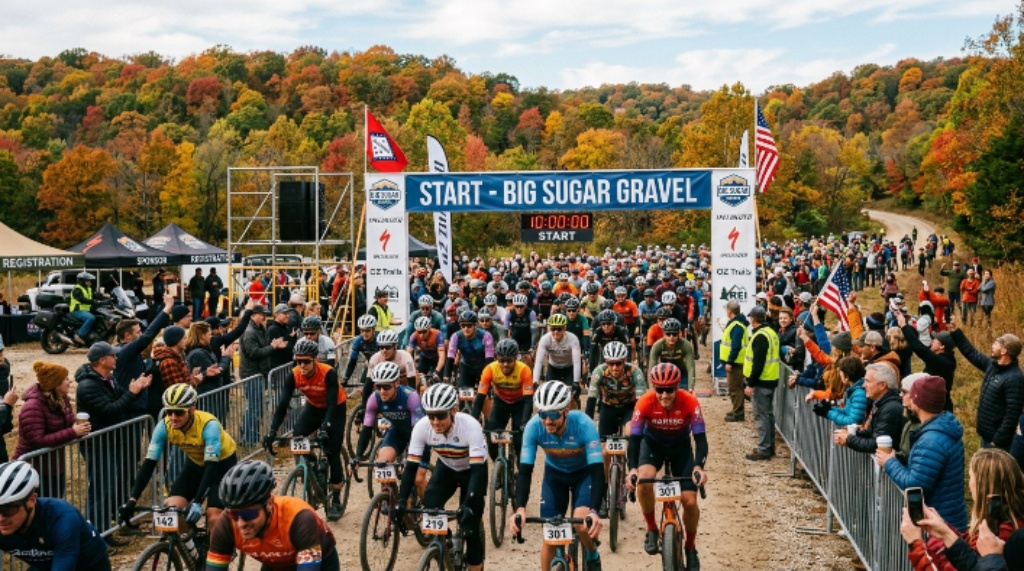
This event is the final stop of the Life Time Grand Prix, a season-long series that brings together some of the strongest off-road cyclists in the world. The Bentonville race caps off a summer of competition across gravel and mountain bike disciplines. Because it closes out the series, the stakes are high for elite athletes chasing series points. However, the event is far from exclusive. Thousands of everyday riders join the same start line, making it a true community celebration as much as a professional contest.
Bentonville itself has earned a reputation as a cycling hub. The city has invested heavily in trails, bike infrastructure, and outdoor culture, which makes it a fitting host for a marquee gravel weekend. Local shops, cafes, and hotels are used to welcoming cyclists, so visitors will find the town easy to navigate before and after the ride.
Confirmed Date for 2026
Mark the calendar for Saturday, October 17, 2026. This date places the race firmly in autumn, when Arkansas temperatures cool down and the Ozark landscape turns shades of orange and red. Fall weather in the region tends to be mild during the day and crisp in the morning, which suits long hours in the saddle. Riders should still pack layers, since early starts can be chilly before the sun climbs higher.
The race weekend typically includes activities beyond the main event. Expo booths, shakeout rides, and community gatherings usually take place on the days leading up to Saturday. Therefore, many participants choose to arrive a day or two early to soak in the atmosphere and preview parts of the course.
The Route Through the Ozarks
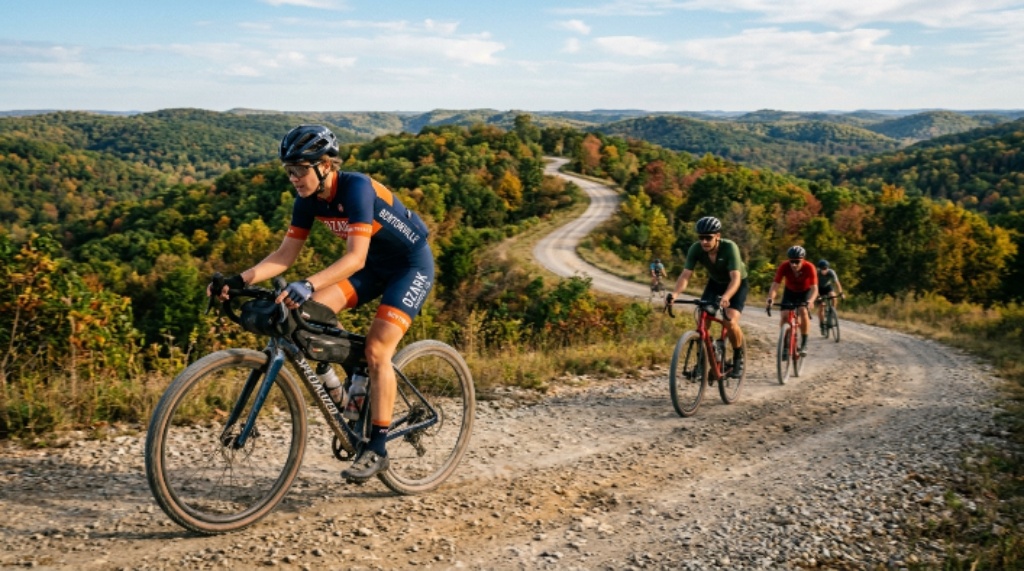
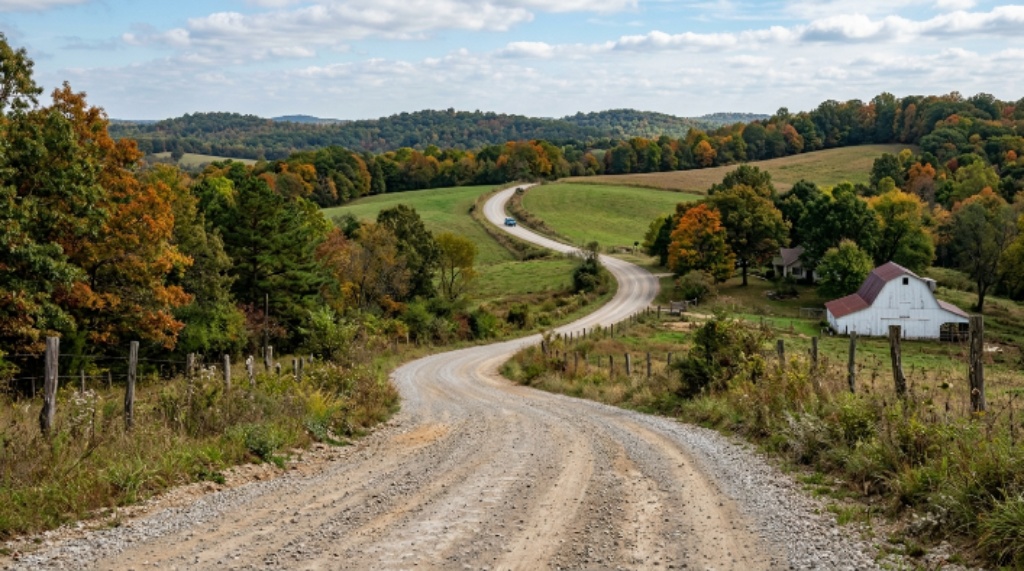
The course is known for testing riders with a mix of terrain rather than one predictable surface. Gravel roads dominate the route, but sections of pavement, punchy climbs, and loose descents keep things interesting. The path winds through the hills west of Bentonville and typically crosses into nearby Pineville, Missouri, before looping back to the finish. This border-crossing element gives the race a distinctive identity among American gravel events.
Elevation gain is a defining feature. The rolling Ozark terrain means constant short climbs rather than one long mountain pass. As a result, riders often describe the course as relentless, since there are few flat stretches to recover on. Pacing becomes just as important as raw fitness.
The table below outlines the general distance categories that past editions of the race have offered. Exact mileage can shift slightly from year to year as organizers adjust road access and safety needs, so riders should confirm final course details closer to race day.
| Category | Approximate Distance | Typical Rider |
| Long Course | Around 100 miles | Experienced racers and endurance riders |
| Medium Course | Around 60 miles | Intermediate riders seeking a challenge |
| Short Course | Around 35 miles | Beginners and families |
| Youth Ride | Short local loop | Kids and first-time young riders |
This range of distances is one reason the event draws such a broad crowd. A newer rider can join the short course for a taste of gravel racing, while a seasoned competitor can tackle the full-length route and chase a personal best.
Registration Details
Registration for major gravel events like this one generally opens several months before race day, often in late winter or early spring. Spots tend to fill quickly, especially in the long course category, since the race has built a loyal following over the years. Riders who want a guaranteed spot should sign up as soon as registration opens rather than waiting until summer.
Entry typically includes timing chip access, aid station support, marked course signage, and a post-race gathering. Some editions have also offered tiered pricing, where early registrants pay less than those who sign up closer to the event. Additionally, a waitlist option is common once a category reaches capacity, so persistence can pay off for riders who miss the initial window.
Because policies can shift each year, it is wise to check the official event website directly for the most current pricing, refund rules, and category caps. Doing so avoids confusion and ensures riders have accurate expectations going into the season.
How the Race Fits Into the Life Time Grand Prix
For elite athletes, this race matters beyond the local trophy. It serves as the closing chapter of a national points series that spans multiple states and disciplines throughout the year. Consistency across earlier rounds shapes who arrives in Bentonville with a shot at the overall title. Consequently, the final results here often decide season-long rankings rather than just a single day’s outcome.
Spectators benefit from this storyline as well. Watching the top riders battle for position adds drama to the amateur experience happening alongside them. Many recreational participants enjoy finishing their own ride in time to catch the professional field cross the line.
Preparing for Race Day
Training for a gravel event like this one requires more than road miles. Riders should practice handling loose surfaces, since traction shifts constantly on the Ozark backroads. Additionally, building comfort with longer hours in the saddle helps prepare the body for the demands of the long course.
Equipment choices matter too. Wider tires with reliable tread often perform better than narrow road tires on this type of terrain. A well-fitted bike, tested nutrition strategy, and familiarity with flat repair are all worth reviewing before the big day. Because aid stations are spaced along the course, riders should still plan their own hydration and fueling between stops.
Weather can vary from year to year, so checking the forecast in the days leading up to the race helps with clothing decisions. Layering works well for the often-cool morning start, with options to shed clothing as temperatures rise through the day.
Where to Stay and What to Expect in Bentonville
Bentonville offers a range of lodging, from hotels near the town square to cabins tucked into the surrounding hills. Because the race draws a large crowd, booking accommodations early is a smart move, particularly for anyone hoping to stay close to the start line.
Beyond the race itself, the area has plenty to offer. Visitors often explore the extensive mountain bike trail network, visit local museums, or relax at downtown restaurants after finishing the course. This blend of small-town charm and outdoor recreation is part of why the race has grown into a destination event rather than just a single-day competition.
Community and Post-Race Celebration
One of the signature elements of this race is the atmosphere at the finish line. Riders of every ability level cross together, creating a shared sense of accomplishment that spans professionals and first-timers alike. Food, music, and awards typically follow the final finishers, turning the afternoon into a community festival.
This celebratory tone reflects the broader culture of gravel cycling, which tends to value participation and camaraderie alongside competition. Whether someone rides the short course for fun or the long course for series points, the shared experience at the finish brings the whole event together.
Conclusion
The 2026 edition of this Bentonville gravel race lands on Saturday, October 17, closing out the Life Time Grand Prix season with a demanding course through the Ozark hills. Riders can choose from multiple distance options, making the event welcoming for beginners while still testing the limits of elite competitors. Registration tends to open well in advance and fills quickly, so early sign-up is recommended. With a scenic route, a supportive community, and a lively finish line celebration, this race continues to stand out as one of the top gravel events in the country. Anyone considering the trip should confirm final details on the official event website as the date approaches, then start preparing tires, training miles, and travel plans for a memorable weekend in Northwest Arkansas.
Frequently Asked Questions
When is the 2026 Bentonville gravel race scheduled?
The event is set for Saturday, October 17, 2026, marking the final stop of that year’s Life Time Grand Prix series.
What distance options are available for riders?
Past editions have offered a long course near 100 miles, a medium course near 60 miles, a shorter option around 35 miles, and a youth ride for younger participants.
Where does the course actually go?
The route travels through gravel roads west of Bentonville, often crossing into nearby Pineville, Missouri, before looping back to the finish area.
When should someone register to guarantee a spot?
Registration usually opens months ahead of race day, and popular categories can fill quickly, so signing up early is the safest approach.
Is this race suitable for beginners?
Yes. The shorter course options and youth ride make the event accessible to newer cyclists, while the longer course remains a serious challenge for experienced racers.