
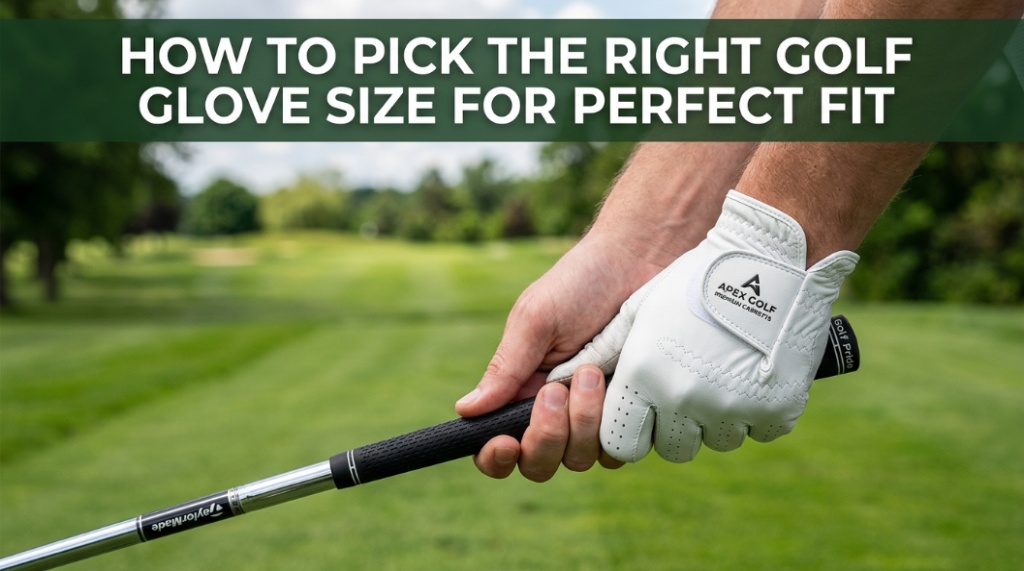
The right golf glove size fits snugly like a second skin—no loose material, no wrinkles, and minimal excess at the fingertips. If it feels tight at first but not restrictive, you’ve likely chosen the correct size.
If your golf glove slips, bunches, or feels stiff during your swing, your performance is already compromised before you even hit the ball. A poorly fitted glove reduces grip control, creates friction, and leads to inconsistent shots. Many golfers unknowingly choose the wrong size—either too loose for comfort or too tight for perceived control—and end up sacrificing both.
Here’s the truth: choosing the right golf glove size is one of the simplest yet most overlooked ways to improve grip stability, swing consistency, and overall comfort.
A golf glove is designed to act as a second skin. It enhances your grip on the club while reducing hand fatigue. But when it doesn’t fit correctly, it can cause blisters, tension in your hands, and even affect your shot accuracy. According to golf equipment studies, improper grip and glove fit can reduce swing efficiency by up to 20%.
This guide explains exactly how to pick the right golf glove size, step by step, so you can achieve a perfect fit and play with confidence.
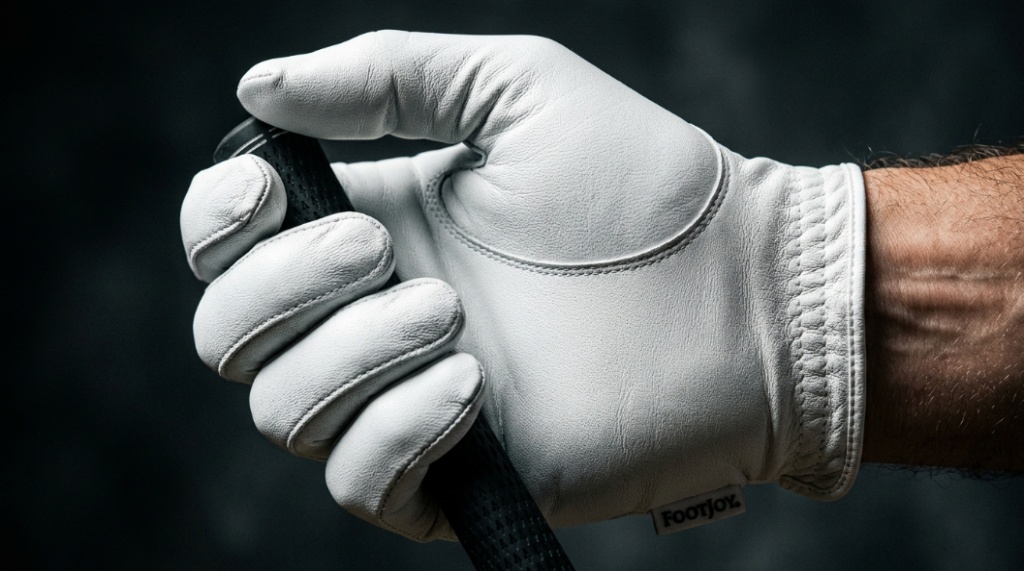
How do you know if your golf glove fits properly?
A properly fitted golf glove should feel tight but flexible, with no loose areas and no excess material at the fingertips.
When you wear a correctly sized glove, it should:
- Fit snugly across the palm and fingers
- Have no wrinkles or folds
- Allow full finger movement without restriction
- Sit flush against your skin without sagging
Quick test: Close your hand into a fist. If the glove stretches slightly but doesn’t bunch up, you have the right size.
What happens if your glove is too big?
A glove that’s too large creates folds and reduces grip stability, leading to inconsistent swings.
- Extra material bunches in the palm
- Reduced control of the club
- Higher chance of slipping during swing
What happens if your glove is too small?
A glove that’s too tight restricts movement and wears out quickly.
- Limited finger flexibility
- Increased pressure points
- Shorter glove lifespan
How to measure your hand for a golf glove?
To measure your golf glove size, wrap a measuring tape around your dominant hand’s knuckles and measure the length from wrist to middle fingertip.
Follow these steps:
- Measure hand circumference (excluding thumb)
- Measure hand length (wrist to fingertip)
- Compare with sizing charts
Standard golf glove sizing chart
| Hand Circumference (inches) | Hand Length (inches) | Recommended Size |
|---|---|---|
| 7 – 7.5 | 6.5 – 7 | Small |
| 7.5 – 8 | 7 – 7.5 | Medium |
| 8 – 8.5 | 7.5 – 8 | Large |
| 8.5+ | 8+ | Extra Large |
If your measurements fall between sizes, choose the smaller size for a tighter fit.
Should a golf glove be tight or loose?
A golf glove should be snug—not loose—because it will stretch slightly after use.
Most high-quality gloves are made from leather or synthetic materials that expand over time. If your glove feels slightly tight when new, that’s ideal.
Why snug fit matters
- Improves grip consistency
- Prevents slipping during swings
- Enhances control over clubface
Loose gloves reduce friction efficiency, which directly impacts shot accuracy.
What are the different types of golf glove sizes?
Golf gloves come in multiple sizing categories, including regular, cadet, and women’s sizes.
Regular vs cadet sizes
Cadet sizes are designed for golfers with shorter fingers and wider palms.
| Type | Best For | Fit Characteristics |
|---|---|---|
| Regular | Average hand proportions | Standard finger length |
| Cadet | Shorter fingers, wider palms | Shorter fingers, broader palm fit |
| Women’s | Smaller hands | Narrower fit, softer material |
If your glove feels tight in the fingers but loose in the palm, you likely need a cadet size.
How do materials affect glove sizing and fit?
Different materials stretch differently, which impacts how your glove fits over time.
Leather gloves
Premium leather gloves offer the best feel but stretch more quickly.
- Best grip and sensitivity
- Requires tighter initial fit
- Less durable in wet conditions
Synthetic gloves
Synthetic gloves are more durable and maintain their shape longer.
- Less stretch over time
- Better for beginners
- More affordable
Hybrid gloves
Hybrid gloves combine leather and synthetic materials for balance.
How often should you replace your golf glove?
You should replace your golf glove when it loses grip, develops holes, or becomes loose.
On average:
- Casual golfers: every 15–20 rounds
- Frequent players: every 8–10 rounds
Signs it’s time to replace:
- Visible wear on palm
- Loss of snug fit
- Reduced grip performance
Can the wrong glove size affect your golf performance?
Yes, the wrong glove size can significantly reduce control, grip strength, and swing consistency.
A poorly fitted glove leads to:
- Inconsistent grip pressure
- Reduced clubface control
- Increased hand fatigue
Professional golfers pay close attention to glove fit because even minor inconsistencies can affect shot precision.
What are common mistakes when choosing a golf glove size?
The most common mistake is choosing comfort over fit, leading to a glove that is too loose.
- Buying a size too large for comfort
- Ignoring finger length vs palm width
- Not considering material stretch
- Skipping measurement entirely
Many beginners assume a glove should feel relaxed, but in reality, a tight fit ensures better performance.
Conclusion
Choosing the right golf glove size isn’t complicated—but it requires attention to detail. A properly fitted glove should feel snug, flexible, and free of wrinkles. It should enhance your grip, not interfere with it.
When you measure your hand, understand sizing types, and consider material differences, you eliminate guesswork. The result is better control, improved swing consistency, and a more comfortable game overall.
Small adjustments in equipment often create the biggest improvements in performance. A well-fitted glove is one of those adjustments.
Next step: measure your hand today, compare with a sizing chart, and test a snug fit. You’ll notice the difference immediately in your grip and control.
FAQ: Golf Glove Sizing Questions
How tight should a golf glove feel?
A golf glove should feel snug like a second skin, with no loose fabric or wrinkles.
Do golf gloves stretch over time?
Yes, especially leather gloves, which can stretch after several rounds of use.
What size golf glove should I choose if I’m between sizes?
Choose the smaller size for a better fit, as gloves naturally stretch.
What is a cadet golf glove?
A cadet glove is designed for golfers with wider palms and shorter fingers.
Can beginners use any golf glove size?
No, beginners should still choose the correct size to ensure proper grip and technique development.
Do you wear a golf glove on your dominant hand?
No, most golfers wear the glove on their non-dominant hand for better grip control.
How do I know if my glove is too small?
If it restricts finger movement or feels overly tight, it’s likely too small.
Read More Also How many franchisees to sign up in year one
Discover More How Often is Compliance Training Needed