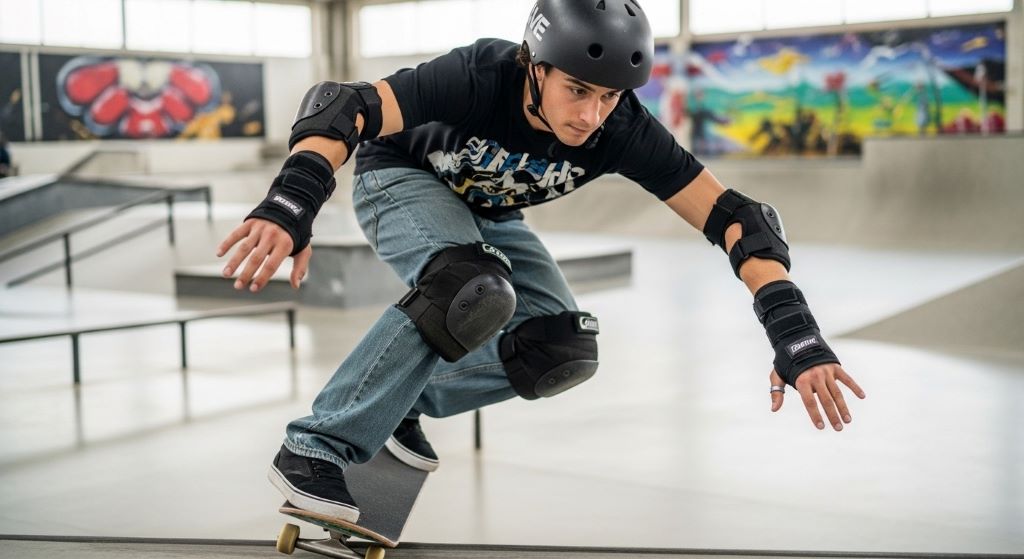
Skateboarding brings excitement and freedom, but it also comes with risks. Falls happen to everyone, from beginners learning their first ollie to experienced riders attempting complex tricks. When you lose balance and instinct kicks in, your hands naturally reach out to break the fall. This reflex puts tremendous stress on your wrists, making them vulnerable to serious injuries.
Wearing proper protective equipment can mean the difference between a minor tumble and a trip to the emergency room. While helmets and knee pads get plenty of attention, wrist protection skating gear often gets overlooked. However, wrist injuries rank among the most common skateboarding accidents, accounting for nearly half of all skating-related fractures.
Choosing the right guards requires understanding your skating style, the protection level you need, and how different designs perform in real-world situations. This comprehensive guide will walk you through everything you need to know about selecting wrist guards that keep you safe while maintaining the flexibility and comfort necessary for peak performance.
Understanding Why Wrist Protection Matters
Your wrists contain eight small bones, multiple ligaments, and tendons that work together to create remarkable mobility. Unfortunately, this complex structure makes them particularly susceptible to injury during falls. When you extend your arms to catch yourself, the impact force can exceed several times your body weight in a fraction of a second.
Common wrist injuries from skateboarding include sprains, where ligaments stretch or tear, and fractures, particularly of the scaphoid bone. These injuries can take months to heal properly and may require surgery in severe cases. Some skaters develop chronic pain or reduced mobility that affects their ability to skate comfortably.
Prevention makes more sense than treatment. Quality guards distribute impact forces across a larger area and prevent your wrist from bending beyond its safe range of motion. They act as both a cushion and a splint, absorbing shock while keeping your wrist in a neutral position during falls.
Key Features to Look for in Wrist Guards
The market offers numerous options, but certain features separate adequate protection from exceptional safety gear. Understanding these elements helps you make an informed decision.
Splint Design and Placement
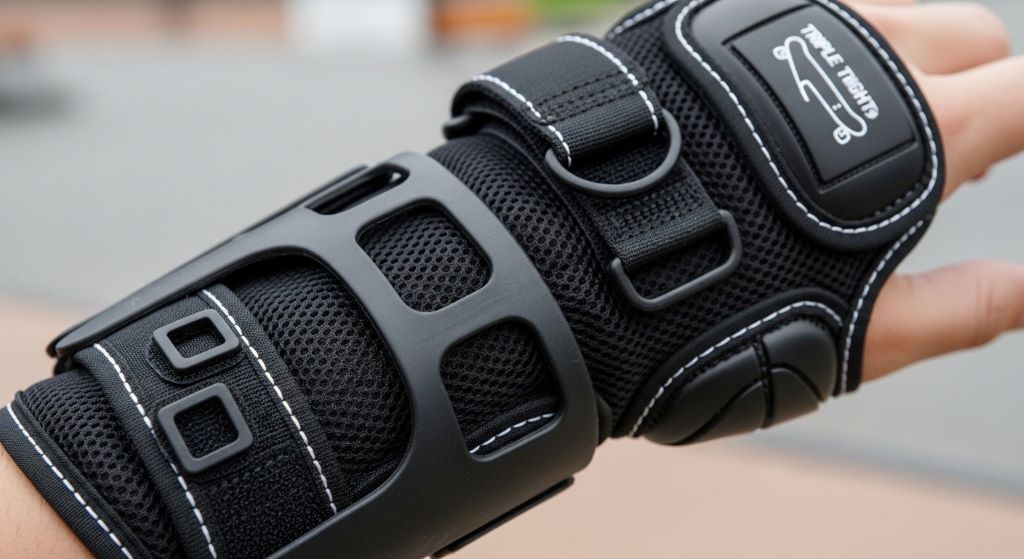
The splint represents the core protective element in most guards. Look for rigid plastic or metal splints that extend from your palm across your wrist and up your forearm. This length prevents your wrist from hyperextending backward during impact.
Double-splint designs offer superior protection by placing splints on both the palm side and back of your hand. This configuration guards against both backward and forward bending. However, single-splint models with a palm splint provide adequate protection for most recreational skaters.
The splint should feel firm but not uncomfortable. Cheap guards use flimsy plastic that may crack or bend during serious impacts, defeating their protective purpose. Quality materials maintain their rigidity even after multiple falls.
Padding and Impact Absorption
Beyond the splint, effective guards incorporate strategically placed padding. Dense foam or gel pads should cover impact zones, particularly around the wrist joint and palm. This cushioning absorbs and disperses energy from falls.
Some advanced models feature dual-density padding, combining softer outer layers with firmer inner cores. This design provides comfort during wear while offering maximum protection during impacts. The padding should feel substantial without adding excessive bulk.
Check that padding extends sufficiently up the forearm and down toward the fingers. Inadequate coverage leaves vulnerable areas exposed to injury.
Sizing and Fit Considerations
Even the best-designed guards fail if they don’t fit properly. Incorrect sizing leads to discomfort, reduced mobility, and potentially inadequate protection during falls.
Measuring Your Wrist
Most manufacturers provide sizing charts based on wrist circumference or palm width. Measure around your wrist at its narrowest point, typically just below the wrist bone. Additionally, measure across your palm at its widest part, excluding the thumb.
Compare your measurements against the manufacturer’s chart rather than assuming small, medium, or large sizes match across brands. Sizing varies significantly between manufacturers, so always verify before purchasing.
Testing the Fit
Properly fitted guards should feel snug without cutting off circulation or causing discomfort. You should be able to move your fingers freely and make a fist without restriction. The splint should rest comfortably along your palm and forearm without digging into your skin.
Try the guards with your skateboard to ensure they don’t interfere with your grip or board control. You should maintain full dexterity for tricks while feeling the protective support around your wrists.
Walk around wearing the guards for several minutes. If you notice pressure points, numbness, or excessive tightness, try a different size. Remember that some materials soften slightly with use, but guards should never feel uncomfortably tight initially.
Material Quality and Durability
The materials used in construction directly impact both protection and longevity. Understanding what to look for helps you invest in guards that last.
Outer Shell Construction
Quality guards feature durable outer shells made from tough materials like ballistic nylon or reinforced polyester. These fabrics resist abrasion from repeated contact with pavement and grip tape. Cheaper models use thin materials that tear or wear through quickly.
Examine stitching carefully. Double or triple stitching at stress points indicates better construction. Poorly sewn seams unravel after minimal use, causing the guard to fall apart.
Closure Systems
Velcro straps remain the most common closure system for hand safety pads. Look for industrial-strength hook-and-loop fasteners that maintain their grip through many uses. Cheap Velcro loses holding power quickly, causing guards to loosen during skating.
Some models incorporate elastic bands or additional buckles for extra security. These redundant systems ensure guards stay firmly in place even during the most aggressive skating sessions.
Multiple adjustment points allow you to customize the fit. Guards with straps across the wrist, forearm, and palm provide the most secure and comfortable fit.
Different Styles for Different Skating Disciplines
Your skating style influences which guard design works best. Street skating, vert riding, and casual cruising each present different demands on protective gear.
Street Skating Guards
Street skaters need guards that balance protection with flexibility. Look for low-profile designs that don’t restrict hand movement for technical tricks. These guards typically feature slightly shorter splints and more flexible materials.
However, don’t sacrifice too much protection for mobility. Street skating involves frequent falls on hard surfaces, demanding adequate impact absorption.
Vert and Ramp Skating
Vert skaters face higher-impact falls, requiring maximum protection. Choose guards with extended splints, thick padding, and robust construction. The additional bulk matters less than the enhanced safety these features provide.
Double-splint designs offer excellent protection for the aggressive falls common in vert skating. The extra support prevents injuries during the high-speed impacts typical of ramp skating.
Recreational Skating
Casual skaters can often use lighter, more comfortable guards. If you primarily cruise on smooth surfaces at moderate speeds, basic models provide sufficient protection without excessive bulk.
Still, ensure guards meet minimum safety standards. Even casual skating involves fall risks that can cause serious wrist injuries.
Balancing Protection and Comfort
The best guards strike an ideal balance between safety and wearability. Guards that provide maximum protection but feel too restrictive often end up unused, offering zero actual safety.
Break-In Period
Many guards require a brief break-in period as materials soften and conform to your hands. Wear new guards during low-intensity sessions initially, allowing them to adapt to your unique hand shape.
This break-in should improve comfort without reducing protection. If guards feel significantly different after breaking in, they may not maintain adequate rigidity for safety.
Breathability Features
Skating generates heat and sweat, particularly during summer sessions. Guards with mesh panels or moisture-wicking liners keep your hands cooler and more comfortable.
Some advanced models incorporate ventilation channels that promote airflow without compromising protection. These features become particularly valuable during extended skating sessions.
Weight Considerations
Lighter guards reduce fatigue and feel less obtrusive during skating. However, extremely lightweight models may sacrifice protection for reduced weight.
Find guards that minimize weight while maintaining proper protective features. Modern materials allow manufacturers to create guards that feel light without compromising safety.
Budget and Value Analysis
Price ranges vary dramatically across different models and brands. Understanding what you’re paying for helps identify genuine value.
Entry-Level Options
Basic guards typically cost between fifteen and thirty dollars. These provide fundamental protection suitable for beginners or casual skaters. While they lack advanced features, quality entry-level guards still offer meaningful injury prevention.
Avoid the cheapest options, which often use substandard materials that fail during impacts. Spending slightly more on reputable entry-level models ensures adequate safety.
Mid-Range Choices
Guards in the thirty to sixty dollar range usually offer better materials, improved comfort features, and enhanced durability. These represent excellent value for most skaters, providing solid protection without premium pricing.
This price point typically includes better padding, more secure closure systems, and materials that withstand regular use longer than budget options.
Premium Models
High-end guards costing sixty dollars or more incorporate advanced materials, ergonomic designs, and maximum protection. Professional skaters and serious enthusiasts benefit from these investments.
Premium features might include custom-moldable splints, advanced impact-absorbing materials, or specialized designs for specific skating disciplines. These guards often last significantly longer than cheaper alternatives.
Maintenance and Care Tips
Proper maintenance extends guard lifespan and ensures continued protection. Regular care takes minimal effort but yields significant benefits.
Cleaning Guidelines
Clean guards regularly to prevent odor buildup and material degradation. Hand wash with mild soap and warm water, then air dry completely. Never use washing machines or dryers, as heat and agitation damage protective materials.
Pay special attention to areas that contact your skin, where sweat and bacteria accumulate. Regular cleaning maintains hygiene and material integrity.
Inspection Routine
Before each use, quickly inspect guards for damage. Check splints for cracks, examine stitching for separation, and test Velcro for adequate grip. Replace guards showing significant wear or damage.
Even minor damage can compromise protection during falls. Don’t risk injury by using compromised equipment.
Storage Recommendations
Store guards in a cool, dry place away from direct sunlight. UV exposure degrades many materials over time. Allow guards to dry completely between uses to prevent mold or mildew growth.
Proper storage maintains material properties and extends useful life significantly.
Making Your Final Decision
Choosing wrist guards involves weighing multiple factors against your specific needs and preferences. Start by honestly assessing your skill level and typical skating style.
Consider your budget realistically while remembering that quality protection represents an investment in your long-term health. The cost of treating a serious wrist injury far exceeds the price of premium guards.
Read reviews from other skaters with similar needs. Real-world experiences provide valuable insights beyond manufacturer claims. However, remember that fit remains personal, and what works perfectly for others might not suit you.
Visit a shop when possible to try different models. Feeling guards on your hands reveals comfort and fit details that specifications can’t convey. Many shops allow you to wear guards around the store to assess comfort.
Conclusion
Selecting appropriate wrist protection skating equipment requires careful consideration of design features, materials, fit, and your specific skating needs. Quality guards incorporate rigid splints, adequate padding, durable construction, and secure closure systems. Proper sizing ensures both comfort and effective protection during falls.
Different skating disciplines demand varying protection levels, from lightweight guards for casual cruising to heavy-duty models for aggressive vert skating. While budget matters, investing in reliable hand safety pads protects against injuries that could sideline you for months.
Regular maintenance and timely replacement ensure your guards provide consistent protection throughout their lifespan. By choosing wisely and caring for your equipment properly, you’ll skate with confidence knowing your wrists have the protection they need.
Frequently Asked Questions
Can I skate without wrist guards if I’m experienced?
Experience doesn’t eliminate fall risks. Even professional skaters wear protective gear because falls happen regardless of skill level. Wrist guards provide essential protection during unexpected spills that can occur at any skill level.
How long do wrist guards typically last?
Lifespan depends on usage frequency and intensity. With regular use, quality guards typically last six months to two years. Replace guards showing visible wear, damaged splints, or failing closures to maintain adequate protection.
Should wrist guards feel tight or loose?
Guards should fit snugly without restricting circulation or causing discomfort. You should move your fingers freely while feeling firm support around your wrist. If guards slide around during use, they’re too loose to provide proper protection.
Can I wash wrist guards in a washing machine?
Hand washing is recommended to preserve materials and protective features. Machine washing and drying can damage splints, degrade foam padding, and weaken Velcro closures. Clean guards gently with mild soap and air dry completely.
Do professional skaters wear wrist guards?
Many professional skaters wear guards, particularly during practice sessions and when learning new tricks. While some pros choose not to wear them during competitions for aesthetic reasons, they recognize the safety benefits protective gear provides.
Related Topics:
Using soccer drills for physiological development
Key Steps to Organise a Standout Sporting Tournament