
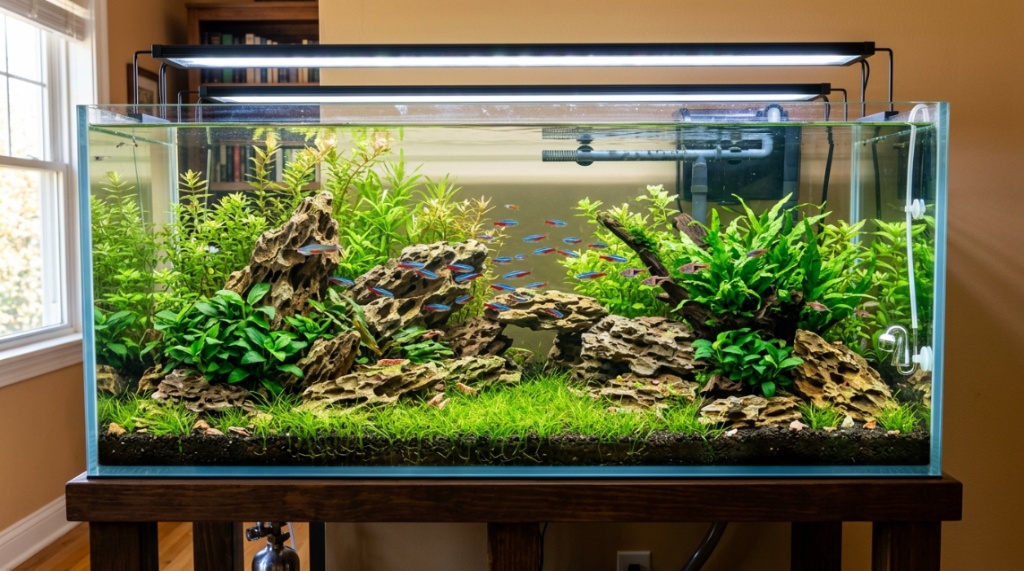
You have spent hours scrolling through aquascaping tutorials, dreaming of a lush, professional-looking tank. Then you look at the price tags on specialty stones at your local fish store, and your enthusiasm deflates faster than a leaky air stone. The myth that you need expensive, imported rocks to create a stunning underwater landscape stops many beginners cold. Fortunately, the truth is far more exciting: you can build a breathtaking aquascape using budget aquarium rocks without sacrificing aesthetics or water quality. This guide walks you through every step, from selecting safe, affordable stone to arranging it like a pro, so you can finally build the tank you have always wanted without breaking the bank.
What Makes a Rock Safe for a Freshwater Aquarium?
Not every rock you find on the side of the road belongs in your tank. Unsafe rocks can leach harmful minerals, alter pH dramatically, or contain toxins that kill fish. A safe aquarium rock must be inert or only mildly reactive, chemically stable, and free of pollutants.
Understanding the Vinegar Test for Safety
Before adding any rock to your aquarium, perform the simple vinegar test. Place a few drops of white vinegar on the rock. If it fizzes or bubbles, the rock contains calcium carbonate (limestone, marble, or some sandstone). These stones will slowly raise your water hardness and pH, which is problematic for soft-water fish like tetras or discus. If the rock passes the test with no reaction, it is likely inert and safe to use with most community fish.
Identifying Visual Red Flags
Inspect any rock for rust-colored streaks, metallic veins, or powdery white deposits. Rust indicates iron content, which can stain your water and stress livestock. Metallic veins often mean heavy metals like copper, which is lethal to invertebrates. Powdery residues suggest the rock is crumbling and will foul your water. Avoid any rock with sharp, jagged edges that could injure fish or make cleaning difficult.
How to Properly Clean Found Rocks
Never use soap or chemical cleaners on aquarium rocks, as residue can kill your fish. Instead, scrub the rock vigorously with a stiff-bristled brush under hot running water to remove dirt and loose material. Boil the rock for 10–15 minutes to kill any lingering pathogens. Let it cool completely before placing it in your tank. Do not boil porous rocks like lava rock, as trapped air can cause them to explode.
Which Affordable Rocks Work Best for Aquascaping?
Budget-friendly does not mean ugly. Many widely available, inexpensive rocks offer stunning texture and color that rival high-end stones. The key is knowing which types give you the most visual impact per dollar.
Once you have arranged your hardscape using economical stones, pair them with the Best Affordable Aquarium Sand for Your Fish Tank to complete your natural riverbed look without overspending.
Lava Rock: The Porous Powerhouse
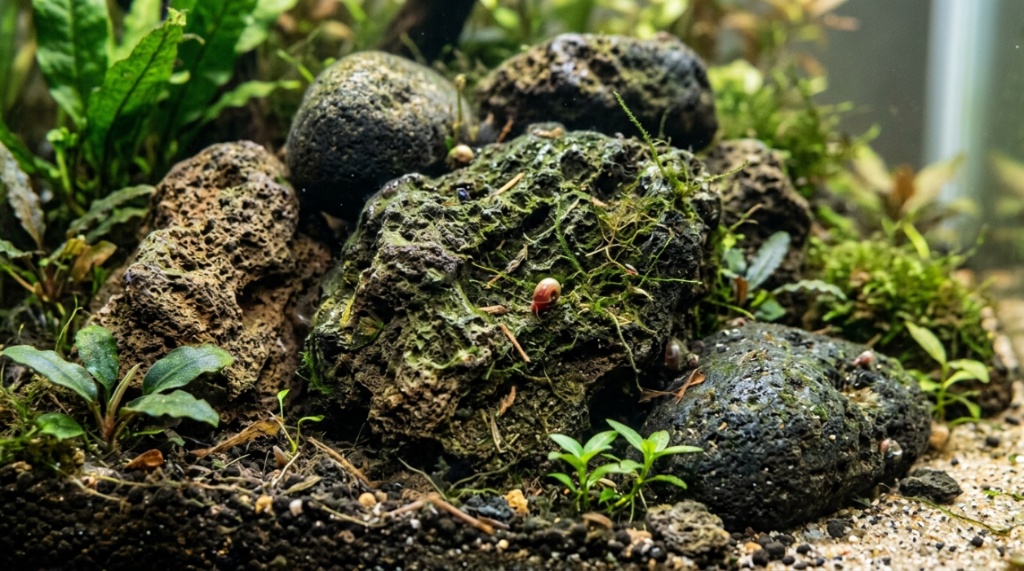
Lava rock is one of the cheapest, most versatile options on the market. It is extremely lightweight, highly porous, and chemically inert. The rough, dark surface provides an ideal substrate for beneficial bacteria, boosting your biological filtration. Its dramatic texture creates a striking contrast against green plants. You can stack it easily using aquarium-safe epoxy, and it looks fantastic in hardscape-led designs like Iwagumi or biotope setups.
River Rock: Smooth and Natural
River rock, available for pennies per pound at landscaping supply stores, features smooth, rounded surfaces in shades of grey, brown, and tan. These stones are almost always inert after a simple vinegar test. They mimic natural riverbeds perfectly, making them ideal for a South American or Asian biotope. Their smooth shape is gentle on bottom-dwelling fish like corydoras, and they require minimal preparation beyond a good scrub.
Seiryu Stone Alternatives: Slate and Shale
Real Seiryu stone is beautiful but expensive. A budget-friendly alternative is common slate or shale, which you can often find at construction material yards or even in your own backyard. These stones have a similar layered, angular look and come in dark grey and black tones. They are inert, stack beautifully, and break cleanly along natural fault lines. Use a hammer and chisel to shape them into the sharp, dramatic peaks you admire in high-end aquascapes.
How Much Money Can You Save Using Budget Rocks?
Switching from branded aquascaping stone to budget alternatives can slash your hardscape costs by 60 to 80 percent, leaving more money for plants, fish, or quality lighting. The savings come from sourcing locally and skipping the premium packaging.
Cost Comparison: Branded Stone vs. Landscaping Rock
| Rock Type | Branded Price (per lb) | Budget Price (per lb) | Savings |
|---|---|---|---|
| Seiryu Stone | $5.00 – $8.00 | $0.50 – $1.00 (slate) | 80-90% |
| Dragon Stone | $6.00 – $10.00 | N/A (difficult to imitate) | Limited |
| Lava Rock | $3.00 – $5.00 | $0.75 – $1.50 | 50-70% |
| River Rock | $4.00 – $6.00 | $0.30 – $0.80 | 80-90% |
Hidden Savings Beyond the Rock Price
Budget rocks also save you money on shipping, as you can source them locally from landscaping companies, construction sites (with permission), or even creek beds where it is legal to collect. You avoid the markup from aquarium specialty stores and the high cost of shipping heavy materials. Plus, because budget rocks are often more porous or textured, they provide better surface area for beneficial bacteria, potentially reducing your need for expensive filter media.
Where Is the Best Place to Source Affordable Aquarium Rocks?
You have three excellent avenues for finding budget rocks: local landscaping suppliers, online marketplaces, and nature itself. Each source requires different levels of effort and caution, but all can yield stunning results.
Landscaping Supply Yards: The Secret Weapon
Local landscaping and hardscape supply yards are the holy grail for budget aquarium rocks. They sell stones by the ton for garden projects, meaning you can buy a bucket full for just a few dollars. Ask for decorative gravel, crushed granite, or flagstone. These yards often carry varieties like Texas holey rock, Oklahoma flagstone, and decomposed granite. Always ask if the rocks have been treated with any sealants or chemicals.
Online Marketplace Tips for Safety
Facebook Marketplace, Craigslist, and local gardening groups are excellent places to find people giving away rocks for free or very cheap. Search for terms like “free landscape rock,” “garden stones,” or “hardscaping materials.” When you find a listing, ask the seller what the rocks have been in contact with. Avoid any that have been near pesticides, herbicides, or concrete runoff. Perform the vinegar test immediately upon receiving them.
Ethical Foraging for Natural Stones
Collecting rocks from nature is the cheapest option of all, but it comes with responsibility. Only collect from areas where it is legal (public lands often have restrictions). Avoid protected waterways, national parks, or private property. Choose rocks from clean, fast-moving streams rather than stagnant ponds. Soak and scrub them thoroughly, and always test with vinegar before adding to your tank.
How Do You Prepare Budget Rocks for Your Aquarium?
Proper preparation prevents water chemistry disasters and keeps your fish healthy. Even the most beautiful budget rock can ruin a tank if you skip these crucial steps.
Step-by-Step Cleaning Process
- Inspect for cracks, sharp edges, or suspicious mineral deposits.
- Scrub with a stiff brush under hot water to remove all loose dirt and debris.
- Vinegar test each rock individually. Discard any that fizz if you need neutral water.
- Boil or soak in a bleach solution (1 part bleach to 20 parts water) for 30 minutes. If using bleach, rinse thoroughly and soak in dechlorinated water for 24 hours.
- Air dry completely before arranging your hardscape.
Testing for Chemical Leaching
After cleaning, place the rock in a bucket of aged aquarium water. Let it sit for 48 hours. Test the water for pH, GH, and KH before and after. If the values shift more than 0.5 pH units or show a spike in hardness, the rock is not suitable for your intended fish species. This step is especially important for novice aquarists who are not yet comfortable reading their water chemistry.
Which Fish and Plants Pair Best with Budget Rock Hardscapes?
The rocks you choose should complement, not fight against, the biology of your aquarium. Different rock types create different environments that favor certain plants and fish species.
Low-Tech Plants for Inert Budget Rocks
Inert rocks like lava rock and river rock do not change your water chemistry, making them perfect for a low-tech, low-maintenance planted tank. Attach Java fern, Anubias, and Bucephalandra directly to the rock surface using super glue gel or fishing line. These epiphytic plants do not need soil and thrive on the nutrients in the water column. Mosses like Java moss and Christmas moss also cover rocks beautifully, softening the hardscape and providing hiding places for fry.
Fish Species That Love Rocky Environments
Budget rocks create excellent hiding spots and territorial boundaries. Small cichlids like Apistogramma and Kribensis appreciate the shelter for breeding. Corydoras catfish enjoy foraging around smooth river rocks. For a lively community tank, consider a shoal of neon tetras swimming over a dark lava rock scape. Avoid fish that dig excessively, like some large cichlids, as they can destabilize your carefully built rock piles.
How Do You Arrange Budget Rocks to Look Expensive?
Placement is everything. Even the cheapest rocks can look like designer stone if you follow a few fundamental principles of visual design. The goal is to create depth, focus, and natural flow.
The Rule of Thirds for Rock Placement
Position your main focal rock (the largest, most interesting stone) about one-third of the way from the left or right edge of the tank. This off-center placement is far more visually appealing than placing it dead center. Build secondary rocks around it in a triangular pattern. Vary the sizes but keep a consistent rock type for a cohesive, natural look. Avoid lining rocks up in a straight row like bowling pins.
Creating Depth with Layering and Angles
Use smaller rocks in the foreground and larger ones toward the back to create a forced perspective. Bury the base of each rock slightly into the substrate to make it look like it has been there for years. Angle rocks diagonally to mimic natural geological formations. Stack multiple flat rocks like slate to create terraces and caves. Use aquascaping foam or epoxy to secure stacked rocks, especially if you have digging fish.
Can You Combine Budget Rocks with Other Materials?
Absolutely. Mixing budget rocks with other affordable materials allows you to create a complex, multi-textured aquascape that looks far more expensive than it actually is.
Pairing Rocks with Driftwood
Driftwood and budget rocks are a match made in aquarium heaven. The smooth, organic curves of wood contrast beautifully with the sharp, angular lines of rock. Attach moss to the wood and rocks for a seamless transition. You can find inexpensive driftwood at reptile stores, landscaping suppliers, or even by soaking and cleaning fallen branches from safe trees like oak or maple. Just be sure to boil or soak the wood to remove tannins.
Using Sand and Gravel to Enhance Rock Colors
The substrate you choose dramatically affects how your rocks look. Dark lava rock pops against a bright white sand substrate. Grey river rock looks more natural with a mixed beige gravel. For a biotope look, match your substrate to the rock type. For example, use a tan sand with river rock to mimic a South American riverbed. The contrast will make your budget aquarium rocks look intentional and curated rather than cheap.
How Do You Maintain an Aquarium with Natural Rocks?
Natural budget rocks require very little ongoing maintenance, but they do change the way you clean and care for your tank. Proactive maintenance keeps your water clear and your hardscape attractive.
Preventing Algae on Rock Surfaces
Algae loves the rough texture of lava rock and porous stone. Control it by limiting light duration to 6–8 hours per day and using a timer. Introduce algae-eating fish like Otocinclus catfish or snails like Nerite snails. For stubborn algae, remove the rock and scrub it with a dedicated algae pad. Do not use bleach on rocks that will go back into a planted tank, as residue can kill plants.
Checking for Rock Stability Over Time
Budget rocks, especially softer ones like some sandstones, can degrade slowly over years. Check your hardscape every few months for shifting or crumbling. Fish digging can also undermine larger rocks. If you notice instability, drain the tank slightly and reposition the rock. Use aquarium-safe putty to lock key pieces in place. A rock slide caused by a digging cichlid can crack your tank glass, so stability is genuinely important.
Frequently Asked Questions
Can I use any rock from my backyard in my aquarium?
Not without testing. You must perform the vinegar test to check for calcium carbonate, which can alter pH. Only use inert rocks that pass the test. Avoid rocks from areas treated with pesticides or near roads where salt and chemicals may be present.
How do I clean budget aquarium rocks without bleach?
Scrub the rocks thoroughly with a stiff brush under hot water. Then boil them for 10 minutes to kill any pathogens. Let them cool completely before adding them to your tank. This method is safe for most inert rocks.
Will budget rocks change my water pH?
Some will. Lava rock, river rock, and slate are generally inert and do not affect water chemistry. Rocks like limestone, tufa, or sandstone that fizz during the vinegar test will slowly raise pH and hardness over time. Always test before committing to a full aquascape.
How many pounds of rock do I need for a 20-gallon tank?
Most aquascapers use 5 to 10 pounds of rock for a standard 20-gallon tank, depending on the desired density. Start with 5 pounds and add more if needed. It is easier to add rocks during setup than to remove an overstuffed hardscape later.
Can I stack budget rocks without glue or epoxy?
Flat rocks like slate can be stacked carefully without adhesive if they are stable and rest on a wide base. Rounded rocks, like river rock, are much harder to stack safely. Use aquarium-safe epoxy or super glue gel for any stack over two rocks high to prevent collapse.
Is lava rock safe for all freshwater fish?
Yes, lava rock is chemically inert and safe for all freshwater fish. Its porous surface is excellent for beneficial bacteria growth. However, the rough texture can injure delicate fish like some fancy guppies. Smooth out any sharp points with a file before adding it to the tank.
Where can I find local budget aquarium rocks near me?
Check landscaping supply yards, construction material dealers, and garden centers. Online marketplaces like Facebook Marketplace or Craigslist often have free or cheap rock offers. Be sure to ask about prior chemical treatments and always test before use.
Conclusion
Building a beautiful aquarium does not require a fortune spent on designer stone. With the right knowledge, you can transform simple, affordable materials into a stunning aquascape that rivals any high-end setup. Start by sourcing safe, tested rocks from local suppliers, then clean and arrange them using the design principles shared in this guide. Your fish will enjoy the natural habitat, and your wallet will thank you. Now is the perfect time to take that first step. Gather your materials, sketch your layout, and build the aquarium you have always dreamed of using rocks that cost you next to nothing.