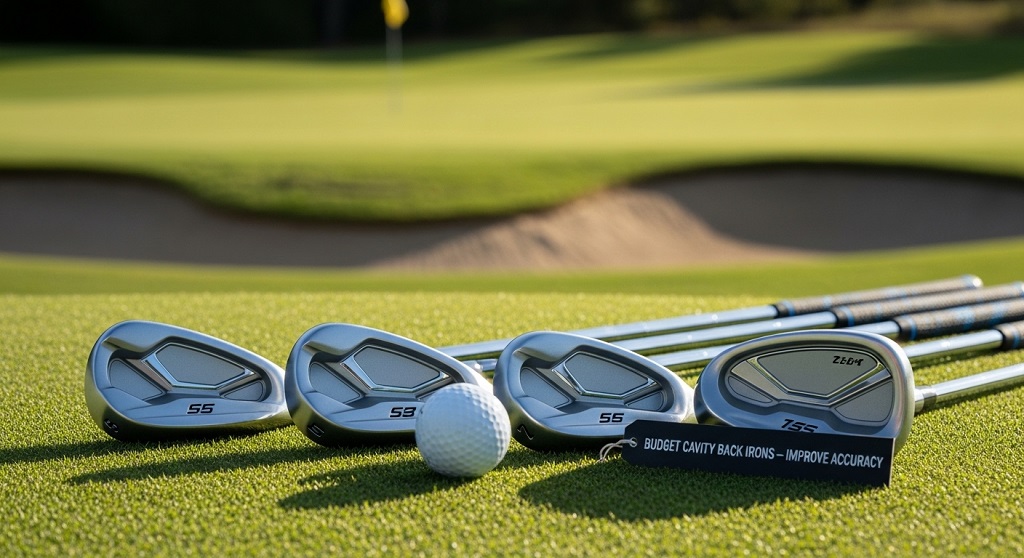
Looking for affordable cavity back irons but overwhelmed by choices? You’re not alone. Golfers often feel lost trying to balance budget, forgiveness, and accuracy. Our budget cavity back irons guide will help you select clubs that fit your wallet and improve your game. Find expert tips, a side-by-side comparison, and answers to your most common questions below.
Snippet Answer: To choose budget cavity back irons that improve accuracy, focus on clubhead design, forgiveness, shaft material, and user reviews. Compare top-rated budget models for features that boost your confidence at address and consistency with ball striking. Always demo clubs when possible to see how they feel on the course.
What makes cavity back irons different, and why do they help accuracy?
Cavity back irons have a hollowed-out back, redistributing weight to the perimeter. This design increases forgiveness and stability on off-center hits, helping golfers achieve straighter and more accurate shots even with imperfect swings.
The main advantage over traditional blade irons is the enhanced moment of inertia (MOI). A higher MOI resists twisting on bad swings, maintaining clubface direction through impact. This means even mis-hits feel solid and fly straighter, reducing slices and hooks. Cavity backs also tend to have larger clubfaces and sweet spots, which instill confidence at address. For budget-conscious players, the forgiveness in these irons can shave strokes off the scorecard without the investment required for premium models.
Which key features should you look for in budget cavity back irons?
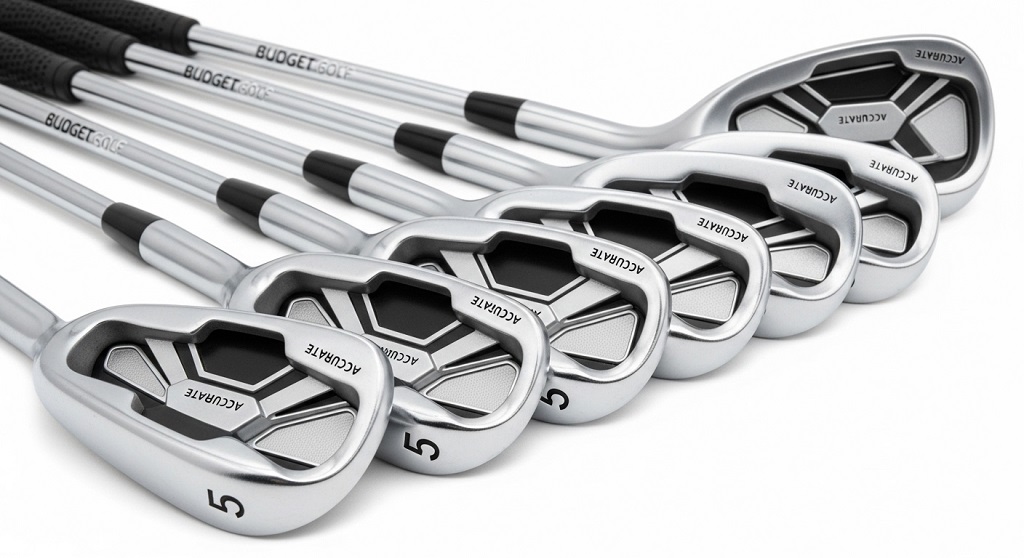
Focus on forgiveness, clubhead size, shaft material, and set composition when evaluating budget cavity back irons. These features impact feel, playability, and ultimately your on-course performance.
- Forgiveness: Wide soles and perimeter weighting limit mishits.
- Clubhead Size: Larger faces are easier to hit confidently.
- Material: Steel shafts offer control; graphite increases swing speed (good for slower swingers).
- Set Makeup: Full iron sets usually offer better value than buying singles.
- Grip and Finish: Comfortable grips and durable finishes improve long-term value.
Many budget cavity back irons mimic the look and playability of premium clubs. However, they may lack some custom fitting options or high-end materials. Look for clubs with positive user reviews, established brand backing, and a well-balanced feel. These aspects will help ensure you’re getting clubs designed to improve your accuracy, even at a lower price point.
How do you compare quality and value in affordable cavity back irons?
Compare budget cavity back irons by evaluating build quality, brand reputation, and included features. Look for performance reviews, warranty, and price-to-performance ratio to determine the best value for your money.
Begin by researching reputable brands known for making reliable entry-level clubs. Not all irons are created equal; even within the budget range, some outperform the rest. Pay attention to materials used in the clubhead, shaft, and grip. A good indicator of value is a combination of a well-balanced feel, appropriate weight, and finish durability.
Also, consider what’s included in the set—some budget options offer hybrids instead of long irons, which can improve forgiveness. Warranty and after-sales support can set one brand apart from another in the same price range. Below is a table comparing some leading affordable cavity back iron sets:
| Brand / Model | Price Range | Forgiveness | Shaft Options | Set Makeup | User Rating |
|---|---|---|---|---|---|
| Callaway Strata | $250-$350 | High | Steel/Graphite | 4-PW + Hybrid | 4.7/5 |
| Wilson Profile SGI | $220-$300 | Very High | Steel | 4-PW | 4.6/5 |
| Ram Golf Accubar | $180-$240 | Moderate | Steel | 5-PW | 4.5/5 |
| Tour Edge Bazooka 370 | $260-$320 | High | Steel/Graphite | 4-PW + Hybrid | 4.5/5 |
Check for special features like cavity insert technology, anti-glare finishes, and enhanced grips that can add value without breaking your budget. Reviews from golfers like you are invaluable: always read user feedback to gauge satisfaction and real-world performance.
Should you choose steel or graphite shafts for accuracy on a budget?
For most golfers on a budget seeking accuracy, steel shafts are preferable due to their consistency, control, and affordability. However, slower swing speeds may benefit from lighter, more flexible graphite shafts.
Steel shafts generally provide tighter shot dispersion and a firmer, more responsive feel. This aids in learning shot control and building muscle memory. They’re also more durable and less expensive—ideal for beginners or casual players.
Graphite shafts, however, are lighter and can improve swing speed, making them a good choice for seniors, juniors, or those seeking extra distance. But they can amplify shot dispersion if your swing path isn’t consistent.
- Choose steel shafts if: You want maximum accuracy and don’t mind a bit more weight.
- Choose graphite shafts if: You have a slow swing speed or find steel shafts too heavy.
Ultimately, trying both at a golf store or demo day will show which feels better and delivers more consistent results for your swing.
How important is club fitting for budget cavity back irons?
Club fitting remains crucial—even with budget cavity back irons—because shaft length, lie angle, and grip size must complement your swing for optimal accuracy and comfort.
Off-the-rack clubs often come in standard sizes. If you’re far from average height or have an unusual swing, a basic club fitting can dramatically improve accuracy without much extra cost. Many golf shops or ranges offer quick fittings to measure your wrist-to-floor height, swing speed, and hand size. The fitter can suggest tweaks like shorter shafts or thicker grips, which make a world of difference.
Some manufacturers allow for minor customizations on budget models. If not, ask a local club builder to adjust them post-purchase if needed. Even on a budget, spending a little on the proper fit saves frustration and improves your results on the course.
What are common mistakes when buying budget cavity back irons?
Avoiding proper research, ignoring shaft flex, and focusing solely on price are typical mistakes when selecting budget cavity back irons. These can hinder both improvement and enjoyment.
- Not verifying the correct shaft flex for your swing
- Overlooking club feel and balance
- Skipping a demo or test swing opportunity
- Buying without checking set composition (missing essential irons or hybrids)
- Ignoring after-sales support and warranty
- Purchasing unknown or poorly-reviewed brands
By researching and testing, you’ll secure clubs that support your accuracy goals rather than simply filling your bag.
How do you properly test and select the right budget cavity back irons?
Test budget cavity back irons on the range or course, comparing ball flight, distance control, and overall feel. Analyze how each model’s design translates to real-world accuracy.
- Take a few different brands/models to the range or a simulator.
- Hit three to five shots with each iron to check consistency.
- Notice mis-hits: do the clubs still launch the ball fairly straight?
- Check if any single iron stands out in terms of comfort and accuracy.
- Ask about try-before-you-buy offers or satisfaction guarantees.
The right iron will inspire confidence at address, feel solid at impact, and produce consistent ball flights. Don’t rush: even among budget-friendly models, the ideal fit varies based on your swing and preferences.
Can you upgrade budget irons for better accuracy over time?
Yes, you can enhance budget irons by upgrading grips, fine-tuning club adjustments, or replacing shafts. Small investments can notably boost your accuracy as your skills progress without needing a whole new set.
One overlooked upgrade is regripping—new grips increase control and feel with every swing. Adjusting loft, lie, or swing weight at a local shop can better match the clubs to your evolving technique. If you develop faster swing speeds, swapping in stiffer shafts may tighten shot dispersion. Together, these adjustments allow your budget purchase to grow with you, maximizing value and performance over several seasons.
Conclusion: What’s the best approach for finding affordable cavity back irons that truly improve accuracy?
Finding the best budget cavity back irons guide boils down to research, comparison, and hands-on testing. Don’t focus on price alone; assess design quality, forgiveness features, and fit. Reliable brands often offer entry-level sets that mimic the feel of premium clubs at a fraction of the cost.
When shopping, look for large sweet spots, forgiving clubheads, and steel shafts for control unless you need something lighter. Always try the clubs before purchase and consider basic fitting for maximum comfort. Never underestimate small upgrades like fresh grips as you improve.
Ready to find affordable cavity back irons that deliver accuracy and confidence on the course? Use this guide, compare top-rated iron sets, and upgrade your game today!
Frequently Asked Questions: Budget Cavity Back Irons Guide
Are budget cavity back irons suitable for beginners?
Yes. Budget cavity back irons are ideal for beginners. Their forgiving design reduces the impact of mis-hits, helping new players build confidence. Affordable models often include features found in premium clubs, such as perimeter weighting and wide soles, making them excellent for skill development.
What’s the best shaft flex for accuracy with affordable cavity back irons?
Shaft flex depends on your swing speed. Most beginners and average golfers do best with regular flex. Players with above-average swing speeds (90 mph+) may benefit from stiff flex for improved control and accuracy. Always test different shaft flex options when possible.
Can I buy used cavity back irons and still expect good performance?
Buying used cavity back irons is a smart way to save money. Check for excessive wear, especially on grips and grooves. As long as the clubs are in good condition and the set fits your needs, used models can perform almost as well as new ones.
Should I prioritize brand or features when choosing budget irons?
Both matter. Reliable brands offer better quality control and warranty service, but features like forgiveness, shaft options, and set configuration are vital for performance. Aim for respected brands that offer the features you need within your budget.
What is the difference between game improvement and super game improvement cavity back irons?
Game improvement irons balance forgiveness with some playability for intermediate players, while super game improvement irons maximize forgiveness and launch—ideal for absolute beginners or high handicappers. Choose based on your skill level and improvement goals.
How often should I upgrade my budget cavity back irons?
Upgrade when your skills or swing speed change significantly, or if your irons show signs of wear (cracked heads, worn grooves, loose shafts). Most golfers can use budget sets for several years, especially with occasional upgrades like new grips.
Is it necessary to get custom-fitted irons if I’m new to golf?
While not always necessary, a basic club fitting ensures clubs match your height, grip, and swing. This can greatly enhance both accuracy and comfort, even for new golfers. Many retailers offer free or low-cost fittings, especially with a set purchase.
Read More Also: Why your business needs a pop up stand
Learn More: How Often is Compliance Training Needed?