
Do You Need a GP Referral to See an Audiologist?
Although many people believe that they must see their GP before booking a private hearing test, this is not generally the case. This page outlines the referral system currently in place and explains when your GP may be involved.
The Short Answer Is No
You don’t need a GP referral for a private hearing test. Adult hearing tests can be booked directly with a private audiology clinic. They are carried out by a qualified audiologist, such as those listed on this site, and you can book online or by phone and attend your appointment at a time and date to suit you.
When the NHS Route Does Need a Referral
There are two instances in which a referral from your GP would be necessary: If you wish to have free NHS hearing aids. In this case your hearing loss would need to be assessed by an NHS audiology department or by an ENT department. Your GP would refer you for this assessment. If you have symptoms which suggest a problem other than straightforward hearing loss, for example, you have got an ear infection, you have got a growth in your ear, you have got Balance problems etc. In these cases you would need to see a specialist ENT consultant. An initial assessment by an Audiologist would refer you to an ENT department for further assessment.
Why Private Booking Is Often Faster
Most private hearing clinics offer self-referral, which means you can type in “Hearing Test Near Me” into a search engine and book an appointment straight away. You can often get an appointment within a few days and some clinics even have same week appointment availability. If you are looking for Hearing Test Near Me, see Imperial Hearing.
Symptoms That Mean See Your GP First
Sudden hearing loss, ear pain, ear discharge or bleeding, or reduced hearing with dizziness or the sensation of spinning suddenly can indicate a number of different conditions including an external or middle ear infection or even a perforation of the eardrum. These conditions need to be treated quickly by a medical practitioner, and the NHS provides clear information on when hearing loss requires urgent medical attention. Symptoms such as these should therefore be reported to your GP surgery rather than booking a routine hearing test.
What the NHS Referral Pathway Involves
If you go through the NHS your GP will probably examine your ears and ask about your hearing loss. They can then refer you to an audiology department for hearing tests or an ENT consultant if necessary. As with anything in the NHS the waiting time will vary greatly from place to place and even between different types of referral. You can expect to wait several weeks for an initial assessment and then further weeks or even months for any necessary hearing aid fitting and further tests. It is worth phoning your local GP surgery and asking for an approximate waiting time for an initial referral for hearing assessment.
What a Private Hearing Test Includes
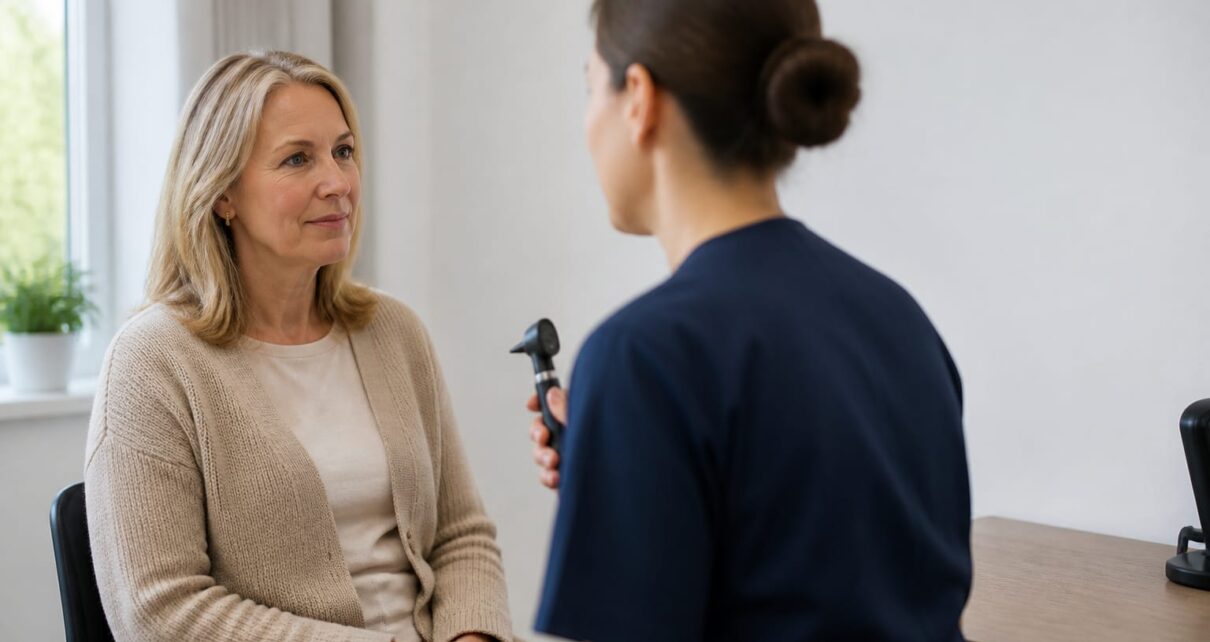
Most hearing tests carried out by private audiology clinics include an examination of your ears with an otoscope, followed by a hearing test, which usually involves a range of different pitches played at various volumes. After the test, your results will be explained to you in more detail and how they may affect you on a day-to-day basis. Some audiology clinics may also carry out a test to assess how you understand speech in the presence of background noise. If for any reason the test results indicate anything other than age-related hearing loss, your hearing test results will be forwarded to your GP on your behalf, or you will be advised to make an appointment with your GP. It’s always worth checking whether your hearing test has been carried out by a qualified hearing healthcare professional and to check that they are up-to-date and registered with the relevant body.
Comparing the Costs
The cost of an NHS hearing test is free but you need to have been referred by your GP first. The cost of a private hearing test can vary between free and £60 for a full assessment, with some clinics offering a free initial consultation to assess your hearing and then charging for any hearing aids you may require. Many charities, such as RNID, offer free hearing tests and provide advice on how to get a free hearing check if that is your requirement.
Which Route Suits You
If you have any red-flag symptoms for hearing then it is advisable to get them checked out by your GP before booking a routine hearing test. If however you have noticed that your hearing has become muffled or you are finding it harder to hear in noisy situations then a private audiologist is the quickest and most suitable option to get your hearing assessed and for any necessary hearing aid(s) fitted. Charities such as Action on Hearing Loss also provide expert advice on hearing loss and how to get a hearing test.
Either way, there’s no need to wait for months. Work out what category your symptoms fall into and book an assessment straight away.