
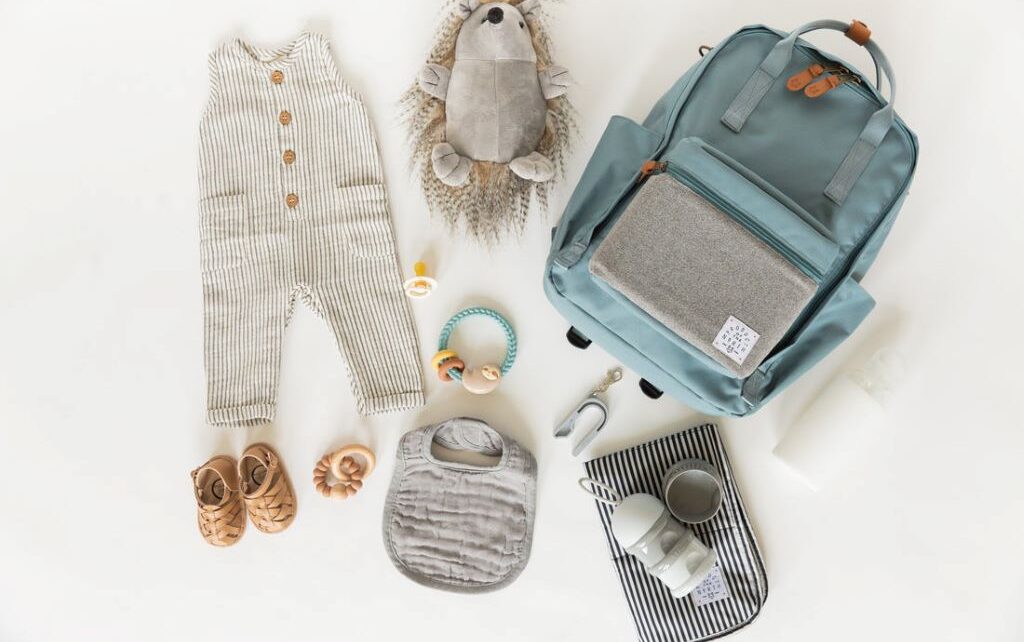
Welcoming a new baby brings immense joy but also financial challenges. In 2026, the average first-year cost for a baby in the U.S. will exceed $15,000. Baby gear alone can consume nearly 20% of that budget. Parents often feel pressured to buy the latest and greatest products. However, not every expensive item is necessary for a baby’s well-being.
A 2025 BabyCenter survey revealed that 68% of parents regret overspending on unused baby items. This regret often stems from impulse purchases driven by marketing hype. Therefore, smart spending requires distinguishing between essentials and nice-to-haves. One practical investment is a versatile diaper bag backpack. It offers hands-free convenience, ample storage, and stylish functionality without breaking the bank.
This baby shopping guide will help you prioritize nursery essentials. It will also show you how to avoid overspending while ensuring quality and safety. Budget parenting is about making informed, strategic choices for your family’s needs.
Why Smart Baby Shopping Matters
The baby gear industry thrives on creating a sense of urgency around its products. Many items marketed as must-haves are actually optional. For example, a $1,000 stroller may offer premium features. However, a $200 model with similar safety ratings can often meet the same needs.
Babies outgrow many items quickly. Newborn-sized clothes or specialized swaddles may only be used for weeks. Bulk purchases of these items can lead to waste. Additionally, the rise of sustainable parenting highlights the benefits of buying secondhand. A 2026 EPA study found that reusing baby items can reduce household waste by 30%. It can also save families an average of $1,200 annually.
Budget parenting focuses on maximizing value without compromising safety or quality. Instead of asking, “What do I need?” parents should ask, “What will I actually use?” This simple shift in perspective can prevent unnecessary spending.
Prioritizing Nursery Essentials
Nursery essentials can seem endless, but focusing on key categories helps streamline purchases. A safe sleep space is non-negotiable. Look for cribs that meet current safety standards like CPSC certification. Adjustable mattress heights allow the crib to grow with your baby.
For bedding, a firm mattress and fitted sheets are all you need. Bumper pads, pillows, and blankets are not recommended for infants due to SIDS risks. Feeding essentials include bottles, a breast pump if needed, and a comfortable nursing pillow. Avoid stocking up on too many bottles before knowing your baby’s preference.
Diapering requires a changing pad, diapers, wipes, and a diaper pail. Cloth diapers can be cost-effective and eco-friendly but require more effort. Buying disposables in bulk saves money, but avoid stockpiling sizes your baby may outgrow quickly.
Babies grow fast, so focus on a few essential outfits in each size. Onesies, sleepers, and swaddles are all you need to start. Secondhand clothing is a great way to save, as long as items are clean and in good condition.
A car seat is the most critical purchase. Never compromise on safety here. For strollers, consider a travel system that includes an infant car seat and a stroller base. This can be more cost-effective than buying separately. A baby carrier is another versatile option for hands-free convenience.
The Role of a Diaper Bag Backpack
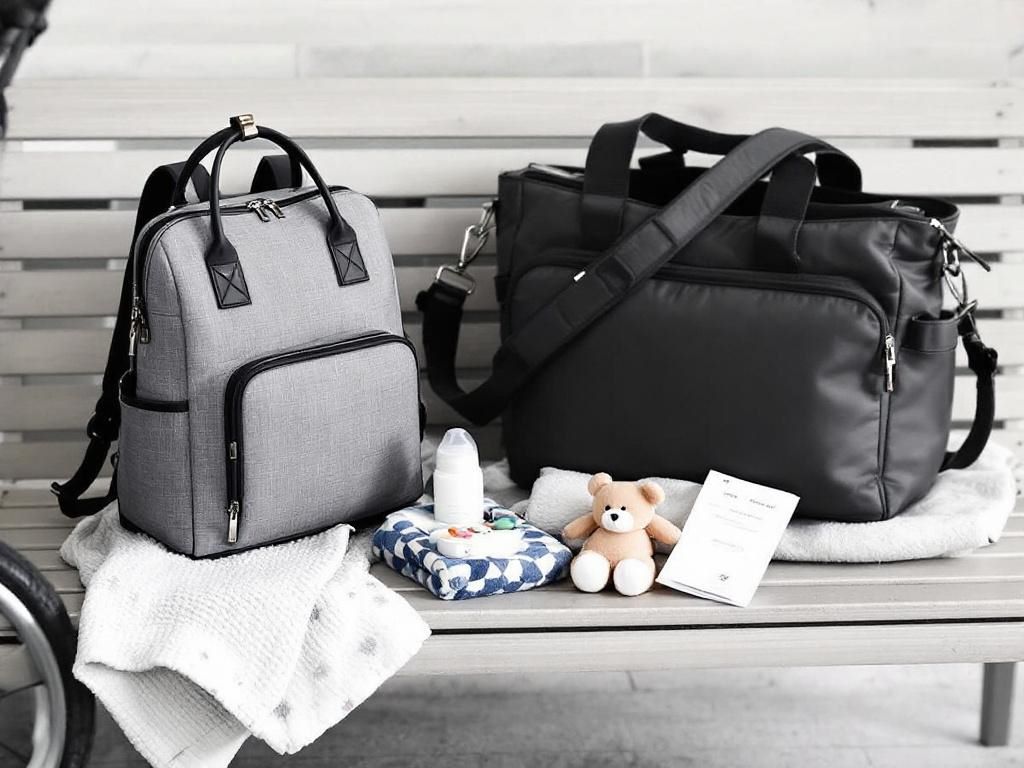
A diaper bag backpack is more than just a stylish accessory. It is a practical tool for parents on the go. Unlike traditional diaper bags, backpacks distribute weight evenly. This frees up your hands for carrying your baby or navigating crowded spaces.
They also tend to have more pockets and compartments. This makes it easier to organize diapers, wipes, bottles, and other essentials. When choosing one, look for features like insulated bottle pockets. Easy-to-clean materials and comfortable straps are also important.
Many modern designs include USB charging ports and laptop sleeves. This makes them versatile enough to use as an everyday bag. Opting for a neutral color or pattern ensures the bag remains stylish for years. Investing in a high-quality diaper bag backpack saves money in the long run. It can serve as your go-to for errands, travel, and even work.
Smart Shopping Strategies
To make the most of your budget, employ these strategies. Research before you buy by reading reviews from other parents. Consult expert sources like Consumer Reports or Wirecutter. Pay attention to feedback on durability and ease of use.
Buy secondhand for items like clothes, toys, and gear. Check local parenting groups, consignment shops, or online marketplaces. Always inspect items for recalls, damage, or wear and tear before purchasing.
Borrow or rent items you’ll only use temporarily. This includes bassinet or baby swing. This can save you hundreds of dollars on items used for a few months. Use coupons and cashback apps like Rakuten, Honey, or Ibotta. Sign up for newsletters from your favorite baby brands to receive exclusive discounts.
Wait for sales during major holidays like Black Friday or Amazon Prime Day. Many stores offer registry completion discounts. This allows you to save 10-15% on remaining items after your baby shower. Prioritize multi-functional items like convertible car seats or high chairs that grow with your baby.
Common Pitfalls to Avoid
Even with the best intentions, it’s easy to fall into spending traps. Overbuying for the newborn stage is a common mistake. Newborns grow quickly, and many items are only used for a few weeks. Resist the urge to stock up on too many newborn-specific items.
Never compromise on safety to save money. Always check that products meet current safety standards. Succumbing to marketing hype is another pitfall. Brands often market products as essential when they’re actually optional. Wipe warmers, bottle sterilizers, and designer baby clothes are nice but not necessary.
Not planning for the long term can also lead to overspending. Consider how long you’ll use an item and whether it can adapt as your baby grows. Forgetting to register is another mistake. Creating a baby registry helps friends and family know what you need. It can also come with perks like completion discounts and free samples.
The Environmental and Financial Benefits of Minimalism
Adopting a minimalist approach to baby gear is good for your wallet and the environment. The average baby goes through 6,000 diapers in their first two years. This contributes to landfill waste. Choosing eco-friendly options like cloth diapers or biodegradable disposables reduces your footprint.
Opting for multi-functional products reduces the need for excess consumption. A play yard that doubles as a travel crib eliminates the need for a separate travel bed. This saves space and reduces the resources required to manufacture additional products.
Minimalism encourages a focus on experiences over things. Instead of spending money on gadgets, invest in activities that promote bonding. Baby classes, books, or outdoor play create lasting memories.
FAQs About Buying Baby Gear on a Budget
What are the most essential baby items I need before my due date?
Focus on the basics: a safe sleep space, a car seat, diapering supplies, a few outfits, and feeding essentials. Everything else can be purchased as needed after your baby arrives.
Is it safe to buy secondhand baby gear?
Yes, as long as you inspect items carefully and avoid anything recalled or unsafe. Stick to buying secondhand clothes, toys, and books. Avoid used car seats, cribs, or mattresses unless you’re certain of their history.
How can I save money on diapers and wipes?
Buy in bulk, use coupons, and consider cloth diapers if you’re open to the effort. Many stores offer loyalty programs or subscriptions for regular purchases.
What’s the best way to organize a baby registry?
Start with the essentials and include a mix of price points. Group similar items together and prioritize the most important items at the top. Don’t forget practical items like diapers, wipes, and gift cards.
How do I know if a baby product is worth the investment?
Ask yourself: Will I use this regularly? Does it serve a clear purpose? Is it safe and high-quality? If the answer to all three is yes, it’s likely a worthwhile purchase. Read reviews and consult parenting forums for insights.
Conclusion
Navigating baby gear can feel overwhelming, but it doesn’t have to be. Focus on what you truly need and prioritize quality and safety. Employ smart shopping strategies to create a nurturing environment without overspending.
Start by assessing your current baby gear list. Identify areas where you can cut costs without sacrificing quality. Here’s to a joyful, budget-savvy parenting journey in 2026!